
You don't need an excuse to have beautiful nails. Step outside without worrying about the appearance of your feet.
You don't need an excuse to have beautiful nails. Step outside without worrying about the appearance of your feet.

Tingling in the feet can feel like pins and needles, buzzing, or mild electric shocks. It can affect one foot or both feet. Tingling that continues or returns can signal a problem. Nerve pressure, poor blood flow, and diabetes are possible causes. An injury to the foot, ankle, or lower back can also irritate a nerve. In some patients, vitamin shortages or other health conditions affect nerve function.
Other symptoms can help a podiatrist understand what is happening. Tingling can occur with numbness, burning pain, or unusual sensitivity. Some patients also notice weakness or trouble with balance. A compressed nerve near the ankle can send tingling into the heel or sole. Nerve damage related to diabetes can begin in the toes and spread through the feet. Reduced blood flow can make the feet feel cold or change their color. Tingling that starts suddenly with severe weakness requires prompt medical attention. A foot wound, swelling, or redness also deserves timely care, especially for a patient with diabetes.
A podiatrist can review when the tingling began and what affects it. The examination includes checking skin condition, blood flow, and muscle strength. The podiatrist can test feelings in different parts of the feet and look for nerve pressure. Imaging, blood tests, or nerve tests can help identify the cause. Treatment depends on the findings. A podiatrist can protect areas with reduced feeling and address pressure caused by foot structure. The doctor can recommend properly fitted shoes or custom orthotics. Regular foot checks can help detect injuries that a patient may not feel. Early evaluation can reduce the risk of complications and help preserve safe movement. If you have tingling in the feet that does not go away, it is suggested that you schedule an appointment with a podiatrist for a diagnosis and appropriate treatment.
Neuropathy
Neuropathy can be a potentially serious condition, especially if it is left undiagnosed. If you have any concerns that you may be experiencing nerve loss in your feet, consult with John McGhan, DPM from Gold Canyon Foot & Ankle. Our doctor will assess your condition and provide you with quality foot and ankle treatment for neuropathy.
What Is Neuropathy?
Neuropathy is a condition that leads to damage to the nerves in the body. Peripheral neuropathy, or neuropathy that affects your peripheral nervous system, usually occurs in the feet. Neuropathy can be triggered by a number of different causes. Such causes include diabetes, infections, cancers, disorders, and toxic substances.
Symptoms of Neuropathy Include:
Those with diabetes are at serious risk due to being unable to feel an ulcer on their feet. Diabetics usually also suffer from poor blood circulation. This can lead to the wound not healing, infections occurring, and the limb may have to be amputated.
Treatment
To treat neuropathy in the foot, podiatrists will first diagnose the cause of the neuropathy. Figuring out the underlying cause of the neuropathy will allow the podiatrist to prescribe the best treatment, whether it be caused by diabetes, toxic substance exposure, infection, etc. If the nerve has not died, then it’s possible that sensation may be able to return to the foot.
Pain medication may be issued for pain. Electrical nerve stimulation can be used to stimulate nerves. If the neuropathy is caused from pressure on the nerves, then surgery may be necessary.
If you have any questions, please feel free to contact our office located in Gold Canyon, AZ . We offer the newest diagnostic and treatment technologies for all your foot care needs.

Aging feet deserve a little extra care and attention, especially because foot problems can become more common as we get older. Changes in the feet may affect comfort, balance, and mobility, making everyday activities more difficult. Common concerns include arthritis, bunions, and neuropathy, while dry skin may become cracked and toenails may gradually become thicker. Swelling can also develop and make shoes feel uncomfortable. A podiatrist can also provide helpful guidance and identify concerns before they become more serious.
With age, several natural changes can affect the health of the feet. The skin may become thinner and less flexible, while the natural cushioning under the feet may decrease. Vision changes or difficulty bending and reaching the feet can make routine foot care more challenging. As a result, thick toenails, small cuts, or other concerns may go unnoticed.
Certain factors can make foot problems more likely. Shoes that do not fit properly may cause discomfort and affect stability, while worn soles can reduce traction. Loose footwear and uneven walking surfaces may also increase the chance of slipping or falling. Limited mobility, diabetes, and neuropathy can create additional concerns. A simple daily routine can make a meaningful difference. Gently wash and dry your feet, apply moisturizer to dry areas while avoiding the spaces between the toes, and wear supportive shoes that fit comfortably. Keeping walking areas clear can also help create a safer environment.
A podiatrist can provide personalized care to help keep aging feet healthy and comfortable. During an examination, the podiatrist may review your symptoms, examine your skin and toenails, and check circulation, sensation, and the way you walk. Treatment depends on your individual needs, and may include wound care, orthotics, or exercises to improve strength and stability. If you have foot pain or notice other changes in your feet, it is suggested that you consult a podiatrist for an accurate diagnosis and appropriate treatment.
If you need your feet checked, contact John McGhan, DPM of Gold Canyon Foot & Ankle. Our doctor will attend to all of your foot and ankle needs and provide you with quality treatment.
Geriatrics and Podiatry
When people age, some common issues that may occur are bone density loss, dry skin, poor circulation, and rough brittle nails. These issues may also affect your foot health if the necessary steps are not taken to alleviate the problems.
It is important to take care of your feet because feet that are injured or diseased can affect your overall health. Having painful feet hinders your ability to do daily activities or may decrease your willingness to do the things that you need to do.
Visiting Your Geriatrician
As we age, health problems become more likely, so it is essential to visit your doctor for check-ups to ensure that you are doing the best you can to take care of your health. It is recommended to check your feet frequently for any possible cuts, bruises, swelling, corns or any other irregularities.
Taking Care of Elderly Feet
Cracked or dry feet can be treated by applying moisturizer often. It is also important not to wear old socks because the older the sock is, the higher the possibility there will be that there is bacteria there. Wear fresh socks and make sure they fit properly.
Proper foot health means that you can have a more active lifestyle and you will not be bogged down by pain. Foot health also leads to good circulation, which is paramount for overall health.
If you have any questions, please feel free to contact our office located in Gold Canyon, AZ . We offer the newest diagnostic and treatment technologies for all your foot care needs.
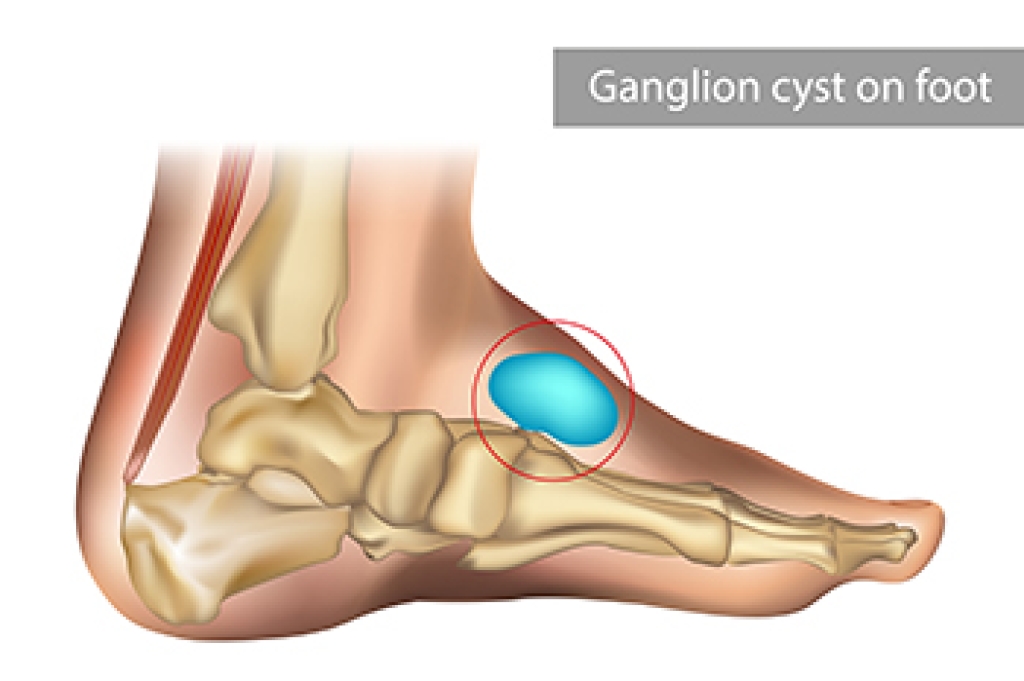
A ganglion cyst on the foot is a fluid-filled sac that forms below the skin. It usually develops near a joint or tendon, which is the strong tissue that connects a muscle to a bone. The cyst can feel like a small, smooth lump under the skin. Ganglion cysts can develop in different areas of the foot, but they are especially common on the top of the foot. A cyst can sometimes develop after an injury or repeated stress on the foot. While a ganglion cyst is usually not dangerous, it can cause problems when it presses on nearby tissues or rubs against a shoe.
Symptoms depend on the size and location of the cyst. Some people notice only a lump and have little or no discomfort. Others can have pain, an ache, tingling, or burning when the cyst puts pressure on a nerve, tendon, or joint. A podiatrist can examine the foot and check the lump to determine whether it is a ganglion cyst. In some cases, imaging tests can help provide a clearer view of the area. A small amount of fluid can also be removed from the cyst for examination. These steps can help rule out other causes of a lump or foot pain and guide the best treatment approach.
Treatment depends on the cyst and the symptoms it causes. A podiatrist can monitor a cyst that is not causing significant problems. A podiatrist can also drain the fluid from the cyst, although ganglion cysts can return after this treatment. When other treatments do not provide relief or the cyst continues to cause problems, it can be removed. Surgery has a lower chance of the cyst returning than drainage, but a ganglion cyst can still come back. If you have symptoms of a ganglion cyst on the foot, it is suggested that you schedule an appointment with a podiatrist for effective relief and treatment solutions.
Foot Pain
Foot pain can be extremely painful and debilitating. If you have a foot pain, consult with John McGhan, DPM from Gold Canyon Foot & Ankle. Our doctor will assess your condition and provide you with quality foot and ankle treatment.
Causes
Foot pain is a very broad condition that could be caused by one or more ailments. The most common include:
Diagnosis
To figure out the cause of foot pain, podiatrists utilize several different methods. This can range from simple visual inspections and sensation tests to X-rays and MRI scans. Prior medical history, family medical history, and any recent physical traumatic events will all be taken into consideration for a proper diagnosis.
Treatment
Treatment depends upon the cause of the foot pain. Whether it is resting, staying off the foot, or having surgery; podiatrists have a number of treatment options available for foot pain.
If you have any questions, please feel free to contact our office located in Gold Canyon, AZ . We offer the newest diagnostic and treatment technologies for all your foot care needs.
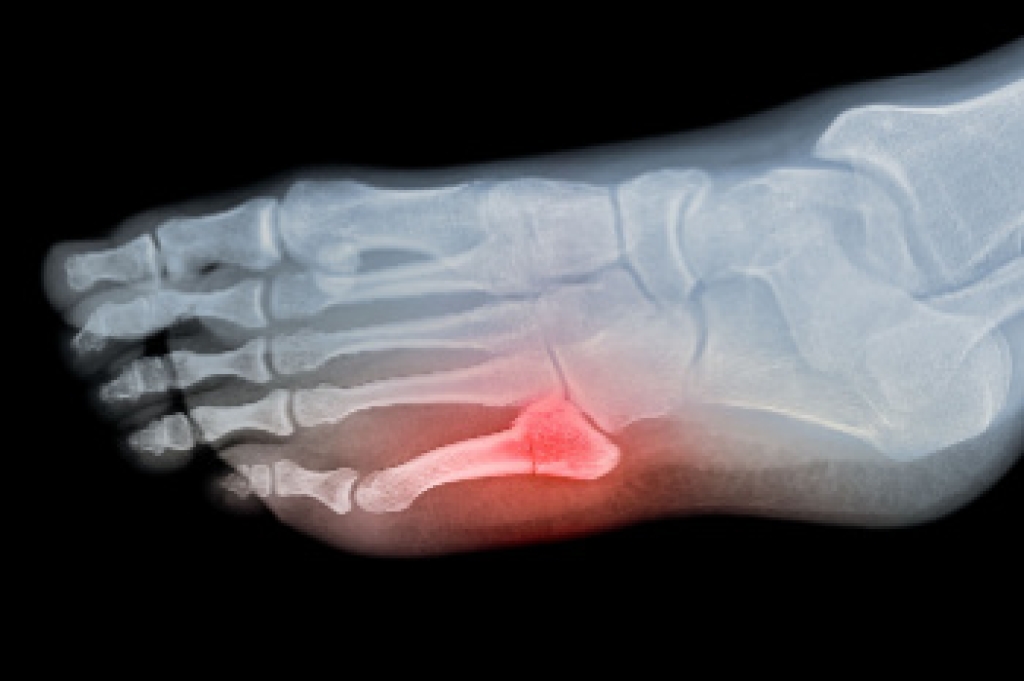
A broken toe can happen when a toe is struck, crushed, or hit by a heavy object. Each toe contains small bones that can fracture after an injury. Symptoms can include pain, swelling, and stiffness. Some broken toes can also look crooked if the bone has moved out of its normal position. The big toe deserves particular attention because it plays an important role in balance and walking. An open wound near the injury can also signal a more serious fracture. A podiatrist can examine the toe, assess its position, and determine how serious the injury is. An examination can also help identify whether an X-ray or other evaluation is appropriate.
Treatment for a broken toe depends on the location and severity of the injury. A podiatrist can evaluate the toe and provide care designed to support proper healing. This can include stabilizing the toe, protecting the injured area, and monitoring its progress. Some fractures heal without surgery, while more severe injuries can require additional treatment. A crooked toe may need to be carefully realigned so the bone can heal in a proper position. Injuries involving an open wound, significant swelling, or the big toe require careful evaluation. A podiatrist can also assess how the injury affects your ability to stand, walk, and wear shoes comfortably.
Most broken toes heal with appropriate treatment, but the healing period can vary based on the injury. More serious fractures can take longer to heal and sometimes require casting or surgery. A podiatrist can monitor healing and look for signs that the toe is not recovering as expected. Symptoms like increasing pain or swelling, numbness, or a toe that becomes more crooked should receive prompt attention. Podiatric evaluation can also help reduce the risk of problems caused by an improperly aligned toe. Getting the injury assessed allows treatment to be based on the type and severity of the fracture. If you have broken your toe, it is suggested that you schedule an appointment with a podiatrist for effective relief and treatment solutions.
Broken toes may cause a lot of pain and should be treated as soon as possible. If you have any concerns about your feet, contact John McGhan, DPM from Gold Canyon Foot & Ankle. Our doctor will treat your foot and ankle needs.
What Is a Broken Toe?
A broken toe occurs when one or more of the toe bones of the foot are broken after an injury. Injuries such as stubbing your toe or dropping a heavy object on it may cause a toe fracture.
Symptoms of a Broken Toe
Although the injured toe should be monitored daily, it is especially important to have a podiatrist look at your toe if you have severe symptoms. Some of these symptoms include worsening or new pain that is not relieved with medication, sores, redness, or open wounds near the toe.
If you have any questions please feel free to contact our office located in Gold Canyon, AZ . We offer the newest diagnostic tools and technology to treat your foot and ankle needs.
Connect With Us
