
Nighttime Foot Pain and What It Could Mean

Foot pain that becomes worse at night can be frustrating and disruptive. Aching, burning, or throbbing pain can make it difficult to fall asleep or stay asleep. Nighttime foot pain can develop from conditions that affect the bones, joints, nerves, or soft tissues of the feet. One common cause is plantar fasciitis, which is irritation of a band of tissue that supports the arch. Although plantar fasciitis is known for causing pain with the first steps in the morning, some people also notice discomfort when resting at night. Arthritis can also lead to aching pain and stiffness after a day of activity. Foot pain at night can be linked to inflammation that becomes more noticeable when the body is at rest.

Nerve-related problems are another possible source of nighttime foot pain. Nerves that become compressed or irritated can produce burning, tingling, or shooting sensations. Peripheral neuropathy, a condition that involves damaged nerves, can also cause discomfort that feels stronger in the evening hours. Diabetes is one of the leading causes of this type of nerve damage. Other foot conditions associated with nighttime pain include bunions, Morton’s neuroma, and tendon injuries. Morton’s neuroma develops when a nerve between the toes becomes irritated, leading to burning pain and numbness. A podiatrist can determine the cause of pain through a physical examination, a review of medical history, and X-rays or other imaging studies, when necessary.

Because nighttime foot pain has many possible causes, obtaining an accurate diagnosis is important. Once the podiatrist identifies the source of the problem, treatment options follow. Included are custom orthotics, medication, or other medical therapies designed to reduce pain and improve foot function. Early evaluation can also help detect underlying health conditions that contribute to ongoing discomfort. Addressing the problem promptly can improve sleep quality and help patients return to normal daily activities with greater comfort. If you have foot pain at night, it is suggested that you schedule an appointment with a podiatrist for an exam and appropriate treatment.

Foot Pain

Foot pain can be extremely painful and debilitating. If you have a foot pain, consult with John McGhan, DPM from Gold Canyon Foot & Ankle. Our doctor will assess your condition and provide you with quality foot and ankle treatment.

Causes

Foot pain is a very broad condition that could be caused by one or more ailments. The most common include:

  • Bunions
  • Hammertoes
  • Plantar Fasciitis
  • Bone Spurs
  • Corns
  • Tarsal Tunnel Syndrome
  • Ingrown Toenails
  • Arthritis (such as Gout, Rheumatoid, and Osteoarthritis)
  • Flat Feet
  • Injury (from stress fractures, broken toe, foot, ankle, Achilles tendon ruptures, and sprains)
  • And more

Diagnosis

To figure out the cause of foot pain, podiatrists utilize several different methods. This can range from simple visual inspections and sensation tests to X-rays and MRI scans. Prior medical history, family medical history, and any recent physical traumatic events will all be taken into consideration for a proper diagnosis.

Treatment

Treatment depends upon the cause of the foot pain. Whether it is resting, staying off the foot, or having surgery; podiatrists have a number of treatment options available for foot pain.

If you have any questions, please feel free to contact our office located in Gold Canyon, AZ . We offer the newest diagnostic and treatment technologies for all your foot care needs.
Read more about Foot Pain

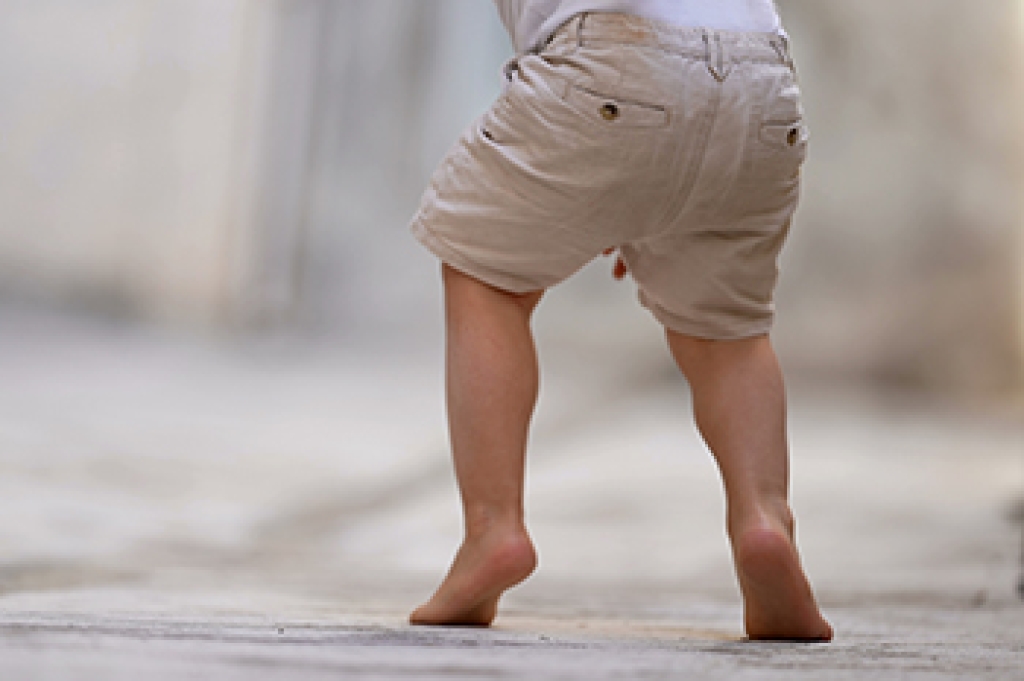
Understanding Toe Walking in Children

Toe walking happens when a child walks primarily on the balls of the feet instead of placing the heels down in a typical walking pattern. In some cases, this walking style may be linked to muscle, nerve, or structural conditions, but many children show this pattern without a clearly identifiable medical reason. For some families, it is mainly a concern because of how the walking looks, while others notice balance problems, tight muscles, discomfort, or difficulty with activity. Evaluation includes a detailed medical history, physical examination, and, when needed, further testing to look for underlying causes. Treatment depends on the child’s age, how long the pattern has been present, and whether tightness has developed in the calf or Achilles area. Care may include stretching programs, supportive devices, or other interventions to improve movement. If your child continues to walk on their toes, it is suggested that you visit a podiatrist for an evaluation and management tips.

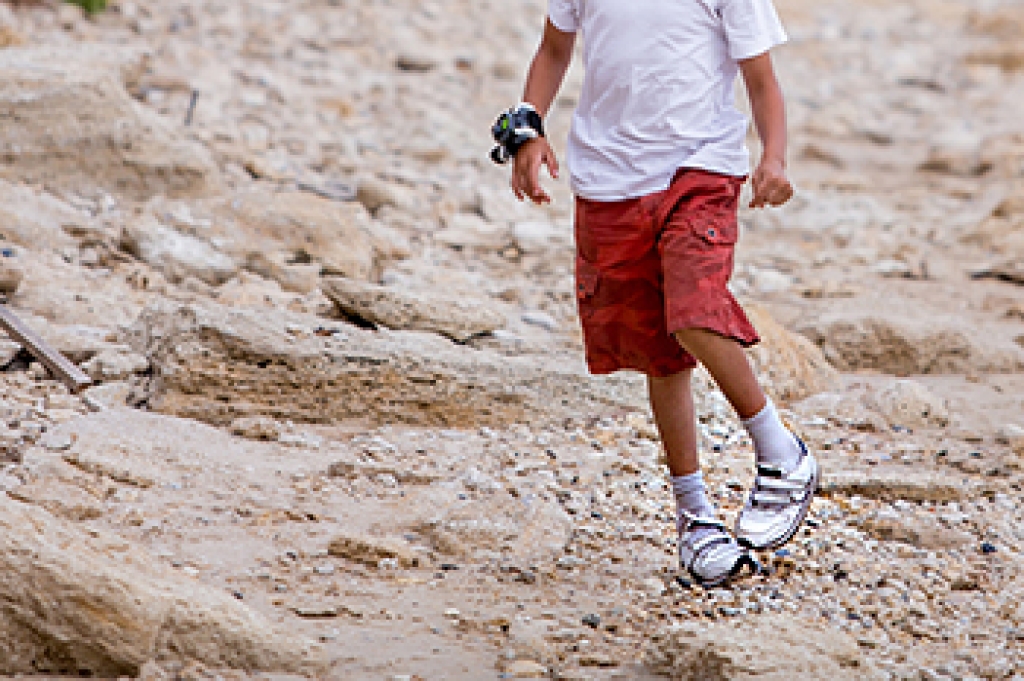
The health of a child’s feet is vital to their overall well-being. If you have any questions regarding foot health, contact John McGhan, DPM of Gold Canyon Foot & Ankle. Our doctor can provide the care you need to keep you pain-free and on your feet.

Tips for Keeping Children's Feet Healthy

  • Make sure their shoes fit properly
  • Look for any signs of in-toeing or out-toeing
  • Check to see if they have Clubfoot (condition that affects your child’s foot and ankle, twisting the heel and toes inward) which is one of the most common nonmajor birth defects.
  • Lightly cover your baby’s feet (Tight covers may keep your baby from moving their feet freely, and could prevent normal development)
  • Allow your toddler to go shoeless (Shoes can be restricting for a young child’s foot)
  • Cut toenails straight across to avoid ingrown toenails
  • Keep your child’s foot clean and dry
  • Cover cuts and scrapes. Wash any scratches with soap and water and cover them with a bandage until they’ve healed.

If you have any questions, please feel free to contact our office located in Gold Canyon, AZ . We offer the newest diagnostic and treatment technologies for all your foot care needs.
Read more about How to Care for Your Child's Feet

Understanding Clubfoot in Children

Clubfoot is a condition present at birth where a baby’s foot is twisted out of its normal position, often pointing downward and inward. It can affect one or both feet and may appear smaller or tighter than usual. The exact cause is not always known, but it is linked to abnormal development of muscles, tendons, and bones in the foot before birth. Risk factors may include family history, certain genetic conditions, or limited space in the womb during pregnancy. Without treatment, walking may become difficult as the child grows and the foot remains stiff or misaligned. Early treatment is important, and often involves stretching, casting, bracing, or other corrective methods guided by a specialist. A podiatrist can help assess severity, monitor progress, and support long term foot function and alignment. If your child has been born with this condition, it is suggested that you include a podiatrist on your healthcare team for optimal support and corrective healing.

Congenital foot problems require immediate attention to avoid future complications. If you have any concerns, contact John McGhan, DPM of Gold Canyon Foot & Ankle. Our doctor can provide the care you need to keep you pain-free and on your feet.

Congenital foot problems are deformities affecting the feet, toes, and/or ankles that children are born with. Some of these conditions have a genetic cause while others just happen. Some specific foot ailments that children may be born with include clubfeet, polydactyly/macrodactyly, and cleft foot. There are several other foot anomalies that can occur congenitally. What all of these conditions have in common is that a child may experience difficulty walking or performing everyday activities, as well as trouble finding footwear that fits their foot deformity. Some of these conditions are more serious than others. Consulting with a podiatrist as early as possible will help in properly diagnosing a child’s foot condition while getting the necessary treatment underway.

What are Causes of Congenital Foot Problem?

A congenital foot problem is one that happens to a child at birth. These conditions can be caused by a genetic predisposition, developmental or positional abnormalities during gestation, or with no known cause.

What are Symptoms of Congenital Foot Problems?

Symptoms vary by the congenital condition. Symptoms may consist of the following:

  • Clubfoot, where tendons are shortened, bones are shaped differently, and the Achilles tendon is tight, causing the foot to point in and down. It is also possible for the soles of the feet to face each other.
  • Polydactyly, which usually consists of a nubbin or small lump of tissue without a bone, a toe that is partially formed but has no joints, or an extra toe.
  • Vertical talus, where the talus bone forms in the wrong position causing other bones in the foot to line up improperly, the front of the foot to point up, and the bottom of the foot to stiffen, with no arch, and to curve out.
  • Tarsal coalition, when there is an abnormal connection of two or more bones in the foot leading to severe, rigid flatfoot.
  • Cleft foot, where there are missing toes, a V-shaped cleft, and other anatomical differences.
  • Macrodactyly, when the toes are abnormally large due to overgrowth of the underlying bone or soft tissue.

Treatment and Prevention

While there is nothing one can do to prevent congenital foot problems, raising awareness and receiving neonatal screenings are important. Early detection by taking your child to a podiatrist leads to the best outcome possible.

If you have any questions, please feel free to contact our office located in Gold Canyon, AZ . We offer the newest diagnostic and treatment technologies for all your foot care needs.
Read more about Congenital Foot Problems

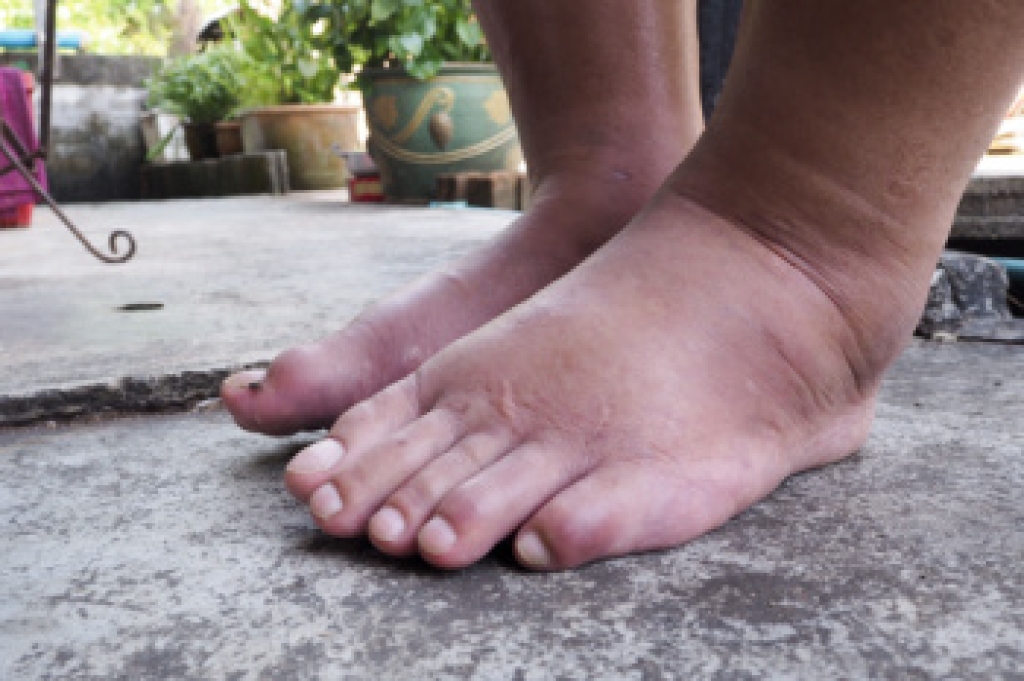
When Foot and Ankle Swelling Leaves Dents

Pitting edema is a type of swelling in the ankles or feet where pressing on the skin leaves a temporary indentation. This happens when extra fluid collects in the tissues. It may be linked to circulation problems, vein conditions, heart or kidney concerns, certain medications, or other medical issues. Some people notice tight shoes or swelling that worsens as the day goes on. Diagnosis starts with a physical examination, where a provider checks the amount of swelling and how long the indentation remains after pressure is applied. A podiatrist may also review medical history, symptoms, circulation, and skin changes, and may recommend additional testing when needed to help identify the cause. Because swelling can signal an underlying health concern, proper evaluation matters. If you have ongoing swelling in your feet or ankles, especially with discomfort or skin changes, it is strongly suggested that you visit a podiatrist for appropriate treatment solutions.

Swollen feet can be a sign of an underlying condition. If you have any concerns, contact John McGhan, DPM of Gold Canyon Foot & Ankle. Our doctor can provide the care you need to keep you pain-free and on your feet.

Swollen feet are a common ailment among pregnant women and people who stand or sit for extended periods. Aging may increase the possibility of swollen feet and patients who are obese often notice when their feet are swelling too. There may be medical reasons why swollen feet occur:

  • Phlebitis - A condition that causes the veins to become inflamed and can also cause leg pain.
  • Liver disease - This may lead to low blood levels of albumin which is a protein. This can cause fluid in the blood to pass into the tissues and several areas of the body can become swollen.
  • Heart failure - When the heart doesn’t pump properly the blood that is normally pumped back to the heart can pool in the veins of the legs causing swollen feet.
  • Kidney disease - One of the main functions of the kidneys is releasing excess fluid in the body. This type of condition can make it difficult for the kidneys to function properly, and as a result the feet may become swollen.
  • Deep-vein thrombosis (DVT)- This is a serious condition where blood clots form in the veins of the legs. They can block the return of blood from the legs to the heart which may cause the feet to swell. It is important to be treated by a podiatrist if this condition is present.

Swollen feet can also be caused by bone and tendon conditions, including fractures, arthritis, and tendinitis. Additionally, there may be skin and toenail conditions and an infection may cause the feet to swell. Patients who take medicine to treat high blood pressure may be prone to getting swollen feet. 

Many patients elevate their feet to help relieve the swelling and this is generally a temporary remedy. When a podiatrist is consulted the reason behind the swelling can be uncovered and subsequently treated.

If you have any questions please contact our office located in Gold Canyon, AZ . We offer the newest diagnostic and treatment technologies for all your foot and ankle needs.

Read more about Swelling of the Feet

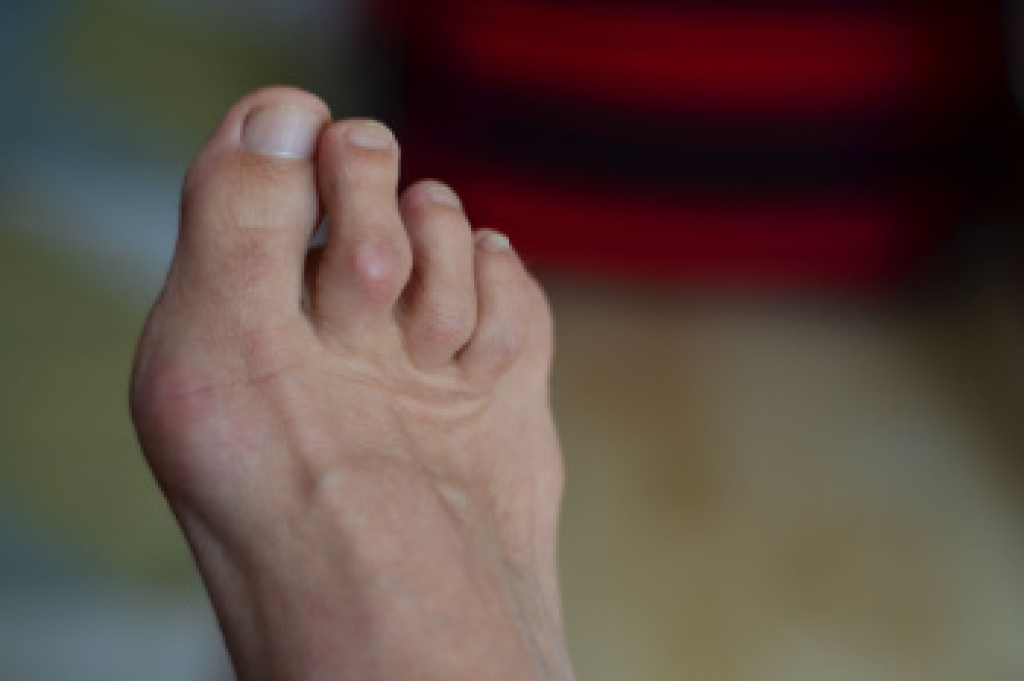
When Toes Begin to Curl

Claw toe is a deformity in which the toes bend upward at the joint near the foot and downward at the smaller toe joints, creating a claw-like appearance. This condition often affects the smaller toes, and may develop gradually. Patients commonly experience pain, stiffness, calluses, and irritation caused by the toes rubbing against shoes. The toes may become difficult to straighten, and walking can feel uncomfortable because of pressure on the ball of the foot and the tops of the toes. Claw toe may be linked to muscle imbalance, nerve damage, or footwear that crowds the toes. In the early stages, the toes may still be flexible, but the deformity can become more rigid if left untreated. A podiatrist can evaluate the severity of the condition, and determine how it is affecting foot function and balance. Treatment may include wearing wider footwear, padding, targeted exercises, or surgery, in more advanced cases. If you have claw toe deformities, it is suggested that you schedule an appointment with a podiatrist for effective relief and management tips.

Toe pain can disrupt your daily activities. If you have any concerns, contact John McGhan, DPM of Gold Canyon Foot & Ankle. Our doctor can provide the care you need to keep you pain-free and on your feet.

What Causes Toe Pain?

Most severe toe pain is caused due to a sports injury, trauma from dropping something heavy on the toe, or bumping into something rigid. Other problems can develop over time for various reasons.

Toe pain can be caused by one or more ailments. The most common include:

  • Trauma
  • Sports injury
  • Wearing shoes that are too tight
  • Arthritis
  • Gout
  • Corns and calluses
  • Hammertoe
  • Bunions
  • Blisters
  • Ingrown toenails
  • Sprains
  • Fractures (broken bones)
  • Dislocations

When to See a Podiatrist

  • Severe pain
  • Persistent pain that lasts more than a week
  • Signs of infection
  • Continued swelling
  • Pain that prevents walking

Diagnosis

In many cases the cause of toe pain is obvious, but in others, a podiatrist may want to use more advanced methods to determine the problem. These can range from simple visual inspections and sensation tests to X-rays and MRI scans. Prior medical history, family medical history, and any recent physical traumatic events will all be taken into consideration for a proper diagnosis.

Treatment

Treatments for toe pain and injuries vary and may include shoe inserts, padding, taping, medicines, injections, and in some cases, surgery. If you believe that you have broken a toe, please see a podiatrist as soon as possible.

If you have any questions please contact our office located in Gold Canyon, AZ . We offer the newest diagnostic and treatment technologies for all your foot and ankle needs.

Read more about Toe Pain

Connect With Us