
Nerve Pain in the Feet

Nerve pain in the feet, commonly known as neuralgia, often results from irritation of the nerves between the toe bones, leading to nerve enlargement and neuroma formation. This discomfort can be attributed to various factors, including wearing ill-fitting shoes, diminished fat padding around the nerves, poor foot posture, and structural abnormalities. Women are more susceptible to neuromas. Diagnosis relies on clinical evaluation and patient symptom description since imaging techniques such as X-rays, MRIs, and ultrasonography are used mainly to exclude other conditions. Treatment options include corticosteroid injections into the affected area to reduce inflammation and pain. In some instances, cryotherapy, which involves the application of extreme cold, can help numb the nerves and reduce discomfort. Wearing custom orthotic devices may provide added support and evenly distribute the weight across the foot, reducing nerve irritation and improving the patient's quality of life. For effective treatment options for nerve pain in the feet, it is suggested that you make an appointment with a podiatrist.

Neuropathy

Neuropathy can be a potentially serious condition, especially if it is left undiagnosed. If you have any concerns that you may be experiencing nerve loss in your feet, consult with John McGhan, DPM from Gold Canyon Foot & Ankle. Our doctor will assess your condition and provide you with quality foot and ankle treatment for neuropathy.

What Is Neuropathy?

Neuropathy is a condition that leads to damage to the nerves in the body. Peripheral neuropathy, or neuropathy that affects your peripheral nervous system, usually occurs in the feet. Neuropathy can be triggered by a number of different causes. Such causes include diabetes, infections, cancers, disorders, and toxic substances.

Symptoms of Neuropathy Include:

  • Numbness
  • Sensation loss
  • Prickling and tingling sensations
  • Throbbing, freezing, burning pains
  • Muscle weakness

Those with diabetes are at serious risk due to being unable to feel an ulcer on their feet. Diabetics usually also suffer from poor blood circulation. This can lead to the wound not healing, infections occurring, and the limb may have to be amputated.

Treatment

To treat neuropathy in the foot, podiatrists will first diagnose the cause of the neuropathy. Figuring out the underlying cause of the neuropathy will allow the podiatrist to prescribe the best treatment, whether it be caused by diabetes, toxic substance exposure, infection, etc. If the nerve has not died, then it’s possible that sensation may be able to return to the foot.

Pain medication may be issued for pain. Electrical nerve stimulation can be used to stimulate nerves. If the neuropathy is caused from pressure on the nerves, then surgery may be necessary.

If you have any questions, please feel free to contact our office located in Gold Canyon, AZ . We offer the newest diagnostic and treatment technologies for all your foot care needs.

Read more about Neuropathy

Can Orthotics Help With Bunions?

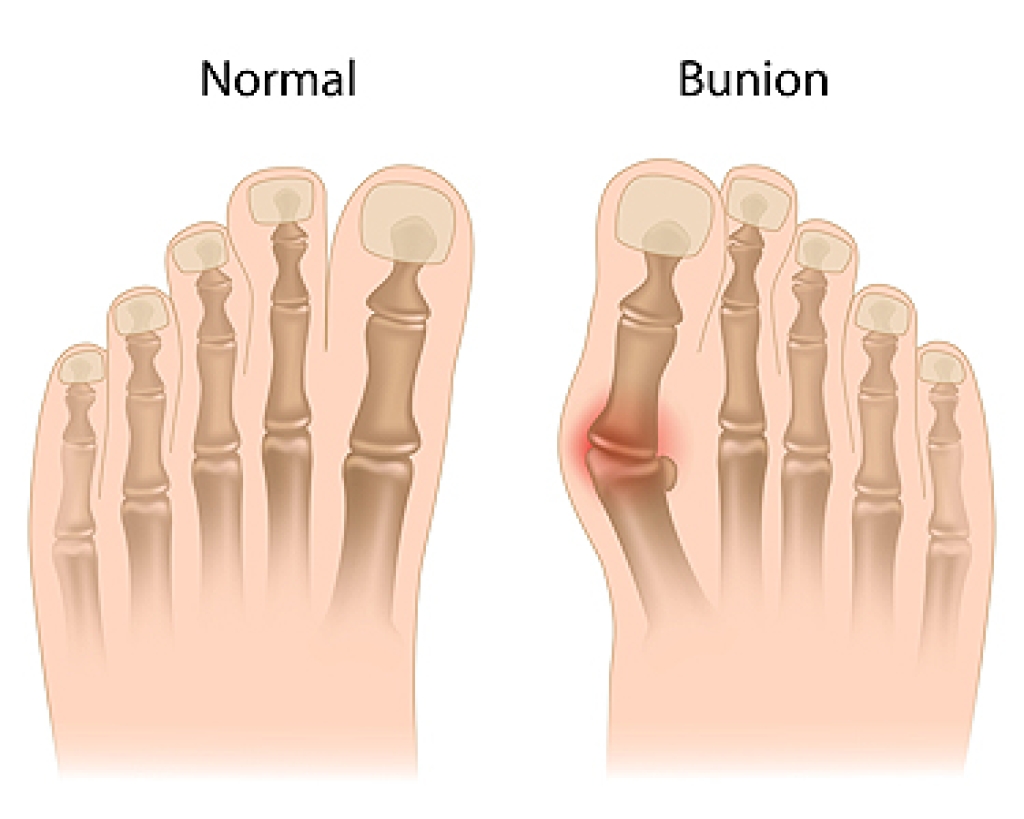
A bunion, known medically as hallux valgus, is a bony deformity affecting the joint at the base of the big toe. This condition is characterized by the big toe angling outward towards the other smaller toes on the same foot. This deviation from the toe's natural alignment can lead to discomfort and pain, especially as it progresses. Bunions can manifest with various symptoms and associated issues. These may include pain, swelling, numbness, a burning sensation, or tingling around the bunion area. Footwear can exacerbate these symptoms, leading to discomfort. Additionally, hard, calloused, red, or painful skin may develop over the top of the bunion. Mobility can be restricted, with the big toe being particularly painful to move up and down. Bunions can also contribute to the development of hammertoes, corns, and calluses on the ball of the foot. These conditions can affect one's gait, causing instability while walking. Finding appropriate and comfortable shoes can become challenging due to the deformity and pain associated with bunions, further impacting daily activities and comfort. Orthotics cannot correct a bunion, but they can help with reducing pain in the big toe joint and slow its progression. Conditions such as flat feet can put more pressure on your bunion and wearing orthotics can redistribute that pressure. If you are experiencing pain from your bunion when walking or exercising, it is suggested that you make an appointment with a podiatrist to discuss the use of custom-made orthotics for increased comfort and function.

If you are suffering from bunions, contact John McGhan, DPM of Gold Canyon Foot & Ankle. Our doctor can provide the care you need to keep you pain-free and on your feet.

What Is a Bunion?

A bunion is formed of swollen tissue or an enlargement of boney growth, usually located at the base joint of the toe that connects to the foot. The swelling occurs due to the bones in the big toe shifting inward, which impacts the other toes of the foot. This causes the area around the base of the big toe to become inflamed and painful.

Why Do Bunions Form?

Genetics – Susceptibility to bunions are often hereditary

Stress on the feet – Poorly fitted and uncomfortable footwear that places stress on feet, such as heels, can worsen existing bunions

How Are Bunions Diagnosed?

Podiatrists often perform two tests – blood tests and x-rays – when trying to diagnose bunions, especially in the early stages of development. Blood tests help determine if the foot pain is being caused by something else, such as arthritis, while x-rays provide a clear picture of your bone structure to your provider.

How Are Bunions Treated?

  • Refrain from wearing heels or similar shoes that cause discomfort
  • Select wider shoes that can provide more comfort and reduce pain
  • Anti-inflammatory and pain management drugs
  • Orthotics or foot inserts
  • Surgery

If you have any questions, please feel free to contact our office located in Gold Canyon, AZ . We offer the newest diagnostic and treatment technologies for all your foot care needs.

Read more about Bunions

Soccer Related Ankle Injuries

In soccer, ankle injuries are quite common. These injuries often affect the ligaments that hold the ankle joint together, which can change how the ankle works. The most common injury is a sprained ankle, and it is usually treated without surgery. Instead, the focus is on preventing future sprains and long term problems. Sometimes, repeated ankle injuries can lead to chronic ankle instability, where the ankle becomes less stable. Chronic ankle injuries, stress fractures, and high ankle sprains may need surgery to fix the ligaments and other issues. If you have sustained an ankle injury while playing soccer, it is suggested that you make an appointment with a podiatrist for proper care and treatment to prevent lingering ankle issues.

Ankle and foot injuries are common among athletes and in many sports. They can be caused by several problems and may be potentially serious. If you are feeling pain or think you were injured in a sporting event or when exercising, consult with John McGhan, DPM from Gold Canyon Foot & Ankle. Our doctor will assess your condition and provide you with quality foot and ankle treatment.

Common Injuries

The most common injuries that occur in sporting activities include:

  • Achilles Tendonitis
  • Achilles Tendon Rupture
  • Ankle Sprains
  • Broken Foot
  • Plantar Fasciitis
  • Stress Fractures
  • Turf Toe

Symptoms

Symptoms vary depending upon the injury and in some cases, there may be no symptoms at all. However, in most cases, some form of symptom is experienced. Pain, aching, burning, bruising, tenderness, tightness or stiffness, sensation loss, difficulty moving, and swelling are the most common symptoms.

Treatment

Just as symptoms vary depending upon the injury, so do treatment options. A common treatment method is known as the RICE method. This method involves rest, applying ice, compression and elevating the afflicted foot or ankle. If the injury appears to be more serious, surgery might be required, such as arthroscopic or reconstructive surgery. Lastly, rehabilitation or therapy might be needed to gain full functionality in the afflicted area. Any discomfort experienced by an athlete must be evaluated by a licensed, reputable medical professional.  

If you have any questions please contact our office located in Gold Canyon, AZ . We offer the newest diagnostic and treatment technologies for all your foot and ankle needs.

Read more about Sports Related Foot and Ankle Injuries

Trench Foot

Trench foot, also known as immersion foot syndrome, is a serious condition resulting from prolonged exposure of the feet to moisture. It damages the circulation and nerve function in the feet. Its history goes back to World War I when soldiers in cold, wet trenches suffered from it due to wearing inadequate footwear. The symptoms of trench foot include blisters, blotchy skin, redness, and possibly tissue loss. It can also cause sensations such as coldness, numbness, and persistent itching. Trench foot is primarily caused by wet feet that do not dry properly, with temperatures that are 30˚F to 40˚F being most conducive. Early treatment is essential, and, if left untreated, trench foot can lead to severe complications such as amputations, gangrene, and permanent nerve damage. Diagnosis involves a physical examination by a doctor to assess injuries, tissue loss, and circulation. Treatment mainly consists of rest, elevation, pain medications, and keeping the feet clean and dry. Prevention includes keeping feet dry, having spare socks and shoes on hand, and airing out feet after wearing socks and shoes, even if they do not appear wet. If you have sustained prolonged exposure of your feet to moisture and have symptoms that are worsening, it is strongly suggested that you make an appointment with a podiatrist as soon as possible for a proper diagnosis and treatment.

Foot Pain

Foot pain can be extremely painful and debilitating. If you have a foot pain, consult with John McGhan, DPM from Gold Canyon Foot & Ankle. Our doctor will assess your condition and provide you with quality foot and ankle treatment.

Causes

Foot pain is a very broad condition that could be caused by one or more ailments. The most common include:

  • Bunions
  • Hammertoes
  • Plantar Fasciitis
  • Bone Spurs
  • Corns
  • Tarsal Tunnel Syndrome
  • Ingrown Toenails
  • Arthritis (such as Gout, Rheumatoid, and Osteoarthritis)
  • Flat Feet
  • Injury (from stress fractures, broken toe, foot, ankle, Achilles tendon ruptures, and sprains)
  • And more

Diagnosis

To figure out the cause of foot pain, podiatrists utilize several different methods. This can range from simple visual inspections and sensation tests to X-rays and MRI scans. Prior medical history, family medical history, and any recent physical traumatic events will all be taken into consideration for a proper diagnosis.

Treatment

Treatment depends upon the cause of the foot pain. Whether it is resting, staying off the foot, or having surgery; podiatrists have a number of treatment options available for foot pain.

If you have any questions, please feel free to contact our office located in Gold Canyon, AZ . We offer the newest diagnostic and treatment technologies for all your foot care needs.

Read more about Foot Pain

Plantar Warts Can Be Treated!

Plantar warts are small growths that develop on parts of the feet that bear weight. They're typically found on the bottom of the foot. Don't live with plantar warts, and call us today!

Connect With Us