
Do you suffer from heel pain when you get up in the morning? If so, you should seek professional help and have a proper diagnosis performed. Heel pain can be caused by several different foot-related conditions.
Do you suffer from heel pain when you get up in the morning? If so, you should seek professional help and have a proper diagnosis performed. Heel pain can be caused by several different foot-related conditions.
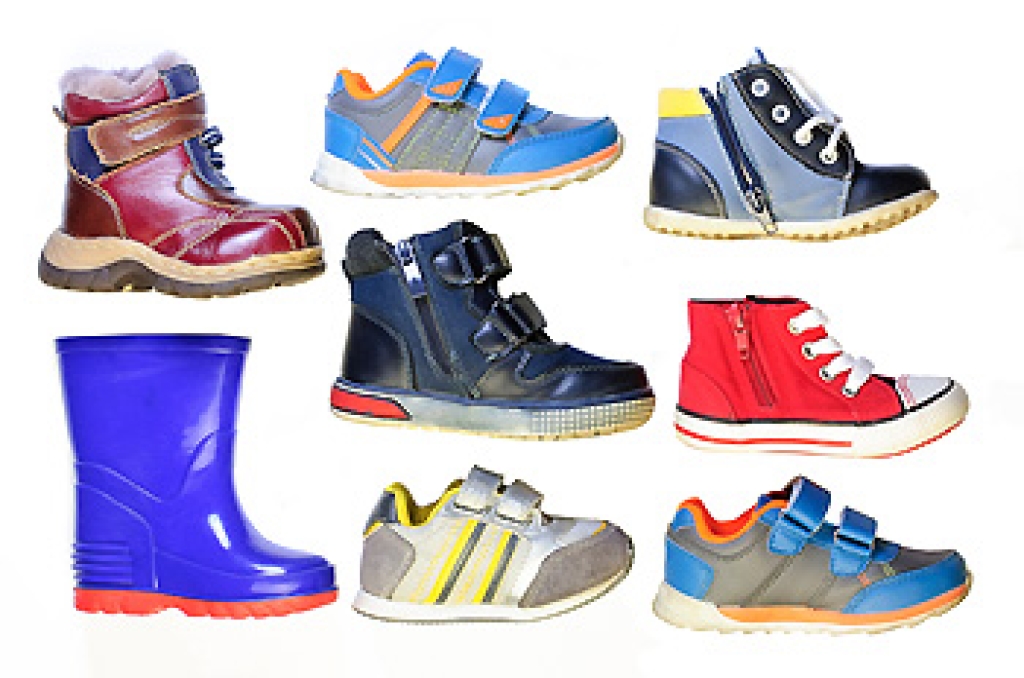
Children’s shoes should support natural growth while protecting developing feet. This calls for wearing soft, flexible footwear that allow freedom to move. For infants who are not yet walking, shoes are not needed for proper development. Barefoot movement allows the foot to strengthen and adapt naturally to surfaces. Pre-walkers benefit from minimal interference, as restrictive footwear may limit muscle activation and coordination. This early stage sets the foundation for balance, posture, and healthy walking patterns.
As children begin taking early steps, footwear needs begin to change. Flexible shoes are recommended during this transition stage to allow natural bending and movement. A proper shoe should feel light, with a soft sole that supports without restricting motion. Symptoms of improper footwear may include difficulty walking, irritation, or visible pressure marks on the skin. Shoes that are too rigid can alter natural gait patterns and create unnecessary strain. Choosing the right design helps maintain comfort and supports early mobility.
Independent walkers require shoes that offer a balance of flexibility and structure. At this stage, supportive soles and secure closures help stabilize the foot while allowing freedom of movement. Risk factors for developing foot issues include narrow shoes, stiff materials, and improper sizing. Pressure on the toes can lead to discomfort and affect walking confidence. Parents should regularly check shoe fit as children grow quickly.
The causes of many pediatric foot concerns can be traced to poor footwear choices during key developmental stages. Shoes that restrict movement or apply uneven pressure can interfere with natural growth. Selecting stage-appropriate footwear encourages proper alignment and reduces the likelihood of discomfort. A thoughtful approach to shoe selection supports healthy development and active movement. If your child has foot pain, from possibly wearing the wrong type of shoes, it is strongly suggested that you consult a podiatrist who can offer effective relief tips, and guide you on the correct shoes to buy for your child.
Making sure that your children maintain good foot health is very important as they grow. If you have any questions, contact John McGhan, DPM of Gold Canyon Foot & Ankle. Our doctor can provide the care you need to keep you pain-free and on your feet.
Keeping Children's Feet Healthy
Having healthy feet during childhood can help prevent medical problems later in life, namely in the back and legs. As children grow, their feet require different types of care. Here are some things to consider...
Although babies do not walk yet, it is still very important to take care of their feet.
Avoid putting tight shoes or socks on his or her feet.
Allow the baby to stretch and kick his or her feet to feel comfortable.
As a toddler, kids are now on the move and begin to develop differently. At this age, toddlers are getting a feel for walking, so don’t be alarmed if your toddler is unsteady or ‘walks funny’.
As your child gets older, it is important to teach them how to take care of their feet.
Show them proper hygiene to prevent infections such as fungus.
Be watchful for any pain or injury.
Have all injuries checked by a doctor as soon as possible.
Comfortable, protective shoes should always be worn, especially at play.
If you have any questions, please feel free to contact our office located in Gold Canyon, AZ . We offer the newest diagnostic and treatment technologies for all your foot care needs.
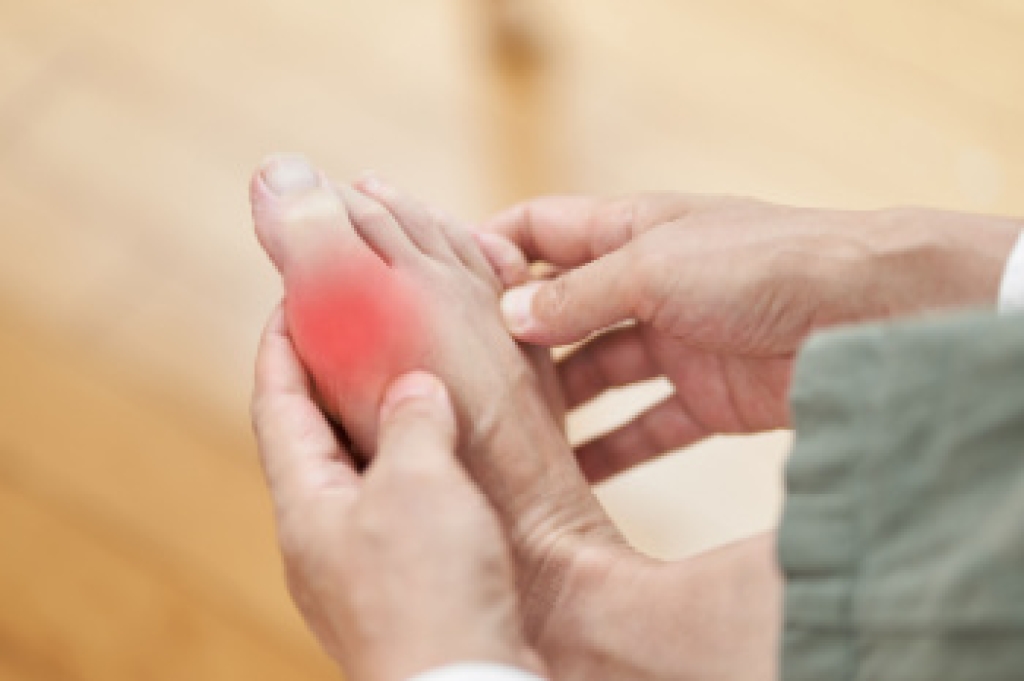
Gout is a chronic condition characterized by repeated episodes of joint inflammation due to excess uric acid in the body. When uric acid crystals accumulate in the joints, they can cause sudden and painful flare-ups. Recurrent gout attacks occur when underlying causes are not fully addressed, leading to ongoing crystal formation. This condition commonly affects the big toe but can involve the ankle and other joints as well. The pain can be debilitating and may cause a delay in completing daily activities. Learning about the causes and triggers of recurrence can help individuals better manage their symptoms.
The symptoms of gout include sharp pain, swelling, redness, and limited movement in the affected joint, usually the big toe. These episodes can begin quickly and may last for several days. After repeated attacks, the joint may remain sensitive and prone to future flare-ups. Risk factors include high-purine diets, excess body weight, and inadequate hydration. Certain medications and medical conditions can also contribute to elevated uric acid levels, increasing the likelihood of recurrence.
Temperature and humidity also play a role in the development of gout symptoms. Lower temperatures can encourage uric acid crystals to form more easily in the joints, particularly in the feet. High humidity may lead to fluid loss and reduced kidney function, which can affect the body’s ability to remove uric acid. Additional causes of recurrent gout include poor dietary habits, excessive alcohol intake, and lack of consistent medical care. Recognizing these influences can help individuals take preventive steps.
Managing gout effectively requires a combination of lifestyle adjustments and medical guidance. Maintaining hydration, following a balanced diet, and avoiding known triggers can help reduce flare-ups. Early attention to symptoms can prevent complications and improve quality of life. If you are dealing with recurrent gout attacks, it is suggested that you consult a podiatrist for effective relief, treatment and management solutions.
Gout is a painful condition that can be treated. If you are seeking treatment, contact John McGhan, DPM from Gold Canyon Foot & Ankle. Our doctor will treat your foot and ankle needs.
What Is Gout?
Gout is a form of arthritis that is characterized by sudden, severe attacks of pain, redness, and tenderness in the joints. The condition usually affects the joint at the base of the big toe. A gout attack can occur at any random time, such as the middle of the night while you are asleep.
Symptoms
Risk Factors
Prior to visiting your podiatrist to receive treatment for gout, there are a few things you should do beforehand. If you have gout you should write down your symptoms--including when they started and how often you experience them, important medical information you may have, and any questions you may have. Writing down these three things will help your podiatrist in assessing your specific situation so that he or she may provide the best route of treatment for you.
If you have any questions, please feel free to contact our office located in Gold Canyon, AZ . We offer the newest diagnostic and treatment technologies for all your foot care needs.
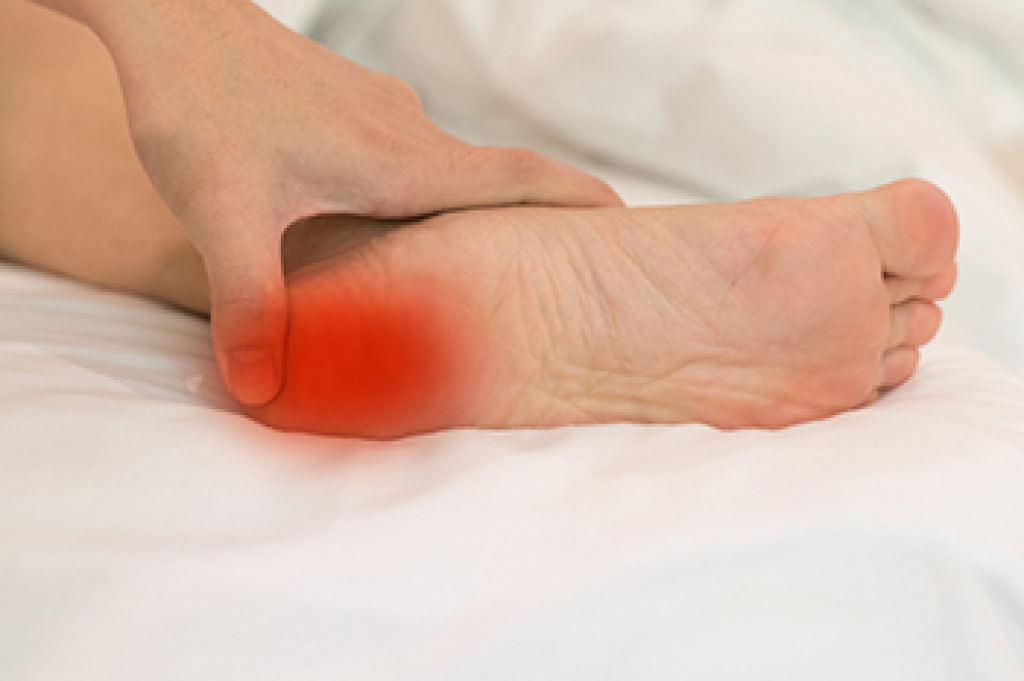
Heel pain in children is often linked to a condition known as Sever’s disease, which is a common cause of discomfort in growing athletes. Sever’s disease, also called calcaneal apophysitis, occurs when the growth plate in the heel becomes inflamed due to repetitive stress. The heel bone grows faster than surrounding muscles and tendons during growth spurts, which can create tension and irritation. This condition is not a disease in the traditional sense, but rather an overuse injury that affects active children between 8 and 14 years old, especially those involved in running and jumping activities.
Symptoms of Sever’s disease typically include heel pain during or after physical activity, tenderness at the back of the heel, and mild swelling. Children may limp, walk on their toes, or complain of stiffness, especially in the morning or after rest. The pain often worsens with certain sports, such as soccer, basketball, or gymnastics. Pressing on the sides of the heel may also cause discomfort, which is a common sign of this condition. Early recognition of symptoms can help prevent further irritation and allow for timely care.
Several risk factors contribute to the development of heel pain related to Sever’s disease. Rapid growth during childhood can place extra stress on the heel. Tight calf muscles, wearing improper footwear, and high levels of physical activity may increase strain on the growth plate. Hard playing surfaces and poor shock absorption can also worsen symptoms. Children who participate in year round sports without adequate rest may face a higher risk of developing this condition.
Managing heel pain in children involves reducing stress on the affected area and supporting proper foot mechanics. Rest, stretching exercises, and wearing supportive footwear can help relieve symptoms and improve comfort. Early care can prevent the condition from interfering with daily activities and sports participation. If your active child has heel pain, it is suggested that you consult a podiatrist for effective relief and management tips.
Sever's disease often occurs in children and teens. If your child is experiencing foot or ankle pain, see John McGhan, DPM from Gold Canyon Foot & Ankle. Our doctor can treat your child’s foot and ankle needs.
Sever’s Disease
Sever’s disease is also known as calcaneal apophysitis, which is a medical condition that causes heel pain I none or both feet. The disease is known to affect children between the ages of 8 and 14.
Sever’s disease occurs when part of the child’s heel known as the growth plate (calcaneal epiphysis) is attached to the Achilles tendon. This area can suffer injury when the muscles and tendons of the growing foot do not keep pace with bone growth. Therefore, the constant pain which one experiences at the back of the heel will make the child unable to put any weight on the heel. The child is then forced to walk on their toes.
Symptoms
Acute pain – Pain associated with Sever’s disease is usually felt in the heel when the child engages in physical activity such as walking, jumping and or running.
Highly active – Children who are very active are among the most susceptible in experiencing Sever’s disease, because of the stress and tension placed on their feet.
If you have any questions, please feel free to contact our office located in Gold Canyon, AZ . We offer the newest diagnostic and treatment technologies for all your foot care needs.
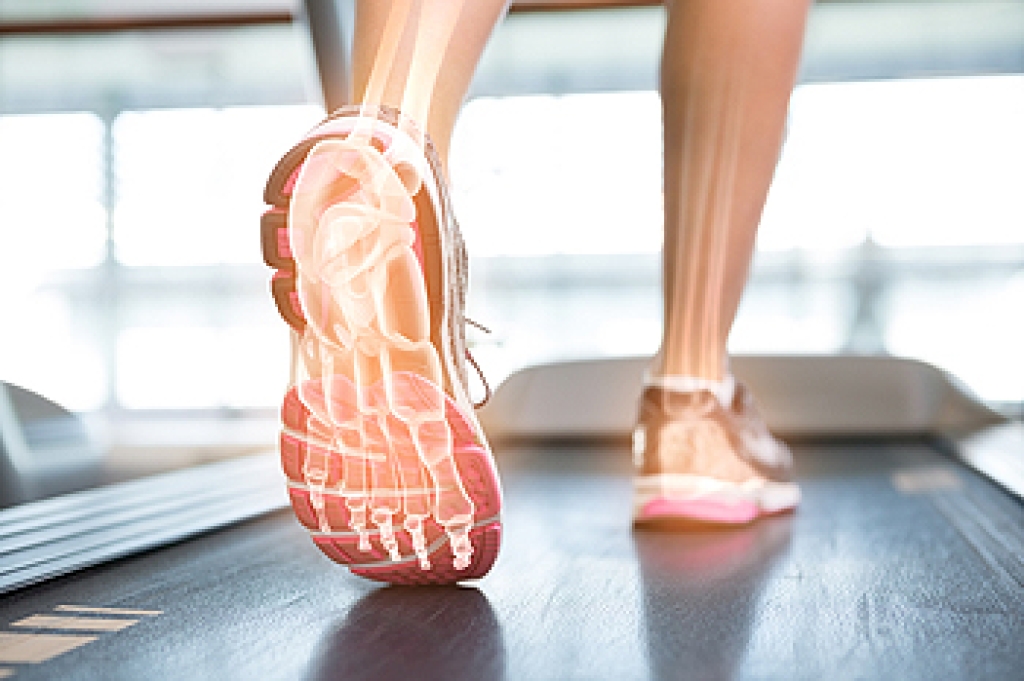
Selecting the right treadmill shoes is essential for maintaining foot health and improving workout performance. Treadmill shoes are designed to support repetitive forward motion while reducing impact on the feet and joints. The definition of a proper treadmill shoe includes features such as a supple midsole cushioning system, low shock absorption, and a generous toe box. These elements work together to provide stability, comfort, and protection during indoor running or walking routines.
Symptoms of wearing improper shoes on a treadmill may include foot pain, blisters, and joint discomfort. Some individuals may experience arch pain or heel soreness due to poor shock absorption. Tight shoes can cause pressure on the toes, while loose shoes may lead to instability and friction. These issues can affect workout consistency and increase the risk of injury. Recognizing these symptoms early can help prevent long-term foot problems.
Risk factors for treadmill related foot pain include improper shoe fitting, worn out footwear, and lack of proper cushioning. Shoes that do not match foot shape or size can lead to uneven weight distribution. A narrow toe box may compress the toes, while insufficient midsole support may fail to absorb repeated impact. These factors highlight the importance of selecting shoes designed specifically for treadmill use.
Choosing the best treadmill shoes involves proper fitting and attention to key features. A well-fitted shoe should allow space for toe movement while providing a secure heel fit. Supple midsole cushioning helps absorb impact, while low shock design reduces strain on joints. A generous toe box improves comfort and prevents crowding. Regularly replacing worn shoes and monitoring foot comfort can support better outcomes. If you have foot pain from shoes on a treadmill, it is suggested that you consult a podiatrist for effective relief tips, and guidance on choosing the best treadmill shoes for you.
Finding a properly-fitting shoe is important in reducing injuries and preventing foot problems. For more information about treatment, contact John McGhan, DPM from Gold Canyon Foot & Ankle. Our doctor will treat your foot and ankle needs.
Proper Shoe Fitting
A common concern when it comes to foot health, having properly fitted shoes can help prevent injuries to the foot. Out feet affect our posture and gait, which in turn affects the biomechanics and overall bodily structure. With 33 joints, 26 bones, and over 100 ligaments, the potential for serious injury is much greater than one realizes. Although the feet cease growth in adulthood, they still change shape as they mature. Here are some factors to consider when it comes to investing in proper fitting shoes:
Keeping in mind how shoes fit the biomechanics of your body, properly-fitting shoes are vitally important. Fortunately, it is not difficult to acquire footwear that fits correctly. Be sure to wear shoes that support the overall structure of your body. Do your feet a favor and invest in several pairs of well-fitted shoes today.
If you have any questions, please feel free to contact our office located in Gold Canyon, AZ . We offer the newest diagnostic and treatment technologies for all your foot care needs.
Connect With Us
