
Managing Diabetic Foot Blisters

Diabetic foot blisters, or diabetic bullae, are fluid-filled pockets that can develop on the skin of the feet. Diabetic blisters, which resemble those caused by burns but without the accompanying pain, are often harmless but can become problematic if they become infected. People with diabetes, particularly those who have peripheral neuropathy or poor circulation, may not feel the blister form and may overlook it. Common causes include wearing poorly fitting shoes that create friction on the feet, as well as high blood sugar levels that compromise skin integrity. A podiatrist can assess the severity of diabetic blisters and help prevent complications, such as infections that can arise if they are not properly managed. Regular monitoring of foot health, wearing well-fitted shoes, and managing blood sugar levels are important steps in preventing foot blisters. If you have foot blisters related to diabetes, it is suggested that you schedule an appointment with a podiatrist for treatment of blisters and other foot complications.

Blisters are prone to making everyday activities extremely uncomfortable. If your feet are hurting, contact John McGhan, DPM of Gold Canyon Foot & Ankle. Our doctor can provide the care you need to keep you pain-free and on your feet.

Foot Blisters

Foot blisters develop as a result of constantly wearing tight or ill-fitting footwear. This happens due to the constant rubbing from the shoe, which can often lead to pain.

What Are Foot Blisters?

A foot blister is a small fluid-filled pocket that forms on the upper-most layer of the skin. Blisters are filled with clear fluid and can lead to blood drainage or pus if the area becomes infected.

How Do Blisters Form?

Blisters on the feet are often the result of constant friction of skin and material, usually by shoe rubbing. Walking in sandals, boots, or shoes that don’t fit properly for long periods of time can result in a blister. Having consistent foot moisture and humidity can easily lead to blister formation.

Prevention & Treatment

It is important to properly care for the affected area in order to prevent infection and ease the pain. Do not lance the blister and use a Band-Aid to provide pain relief. Also, be sure to keep your feet dry and wear proper fitting shoes. If you see blood or pus in a blister, seek assistance from a podiatrist.

If you have any questions, please feel free to contact our office located in Gold Canyon, AZ . We offer the newest diagnostic and treatment technologies for all your foot care needs.

Read more about Blisters

Common Foot and Ankle Injuries in Pickleball

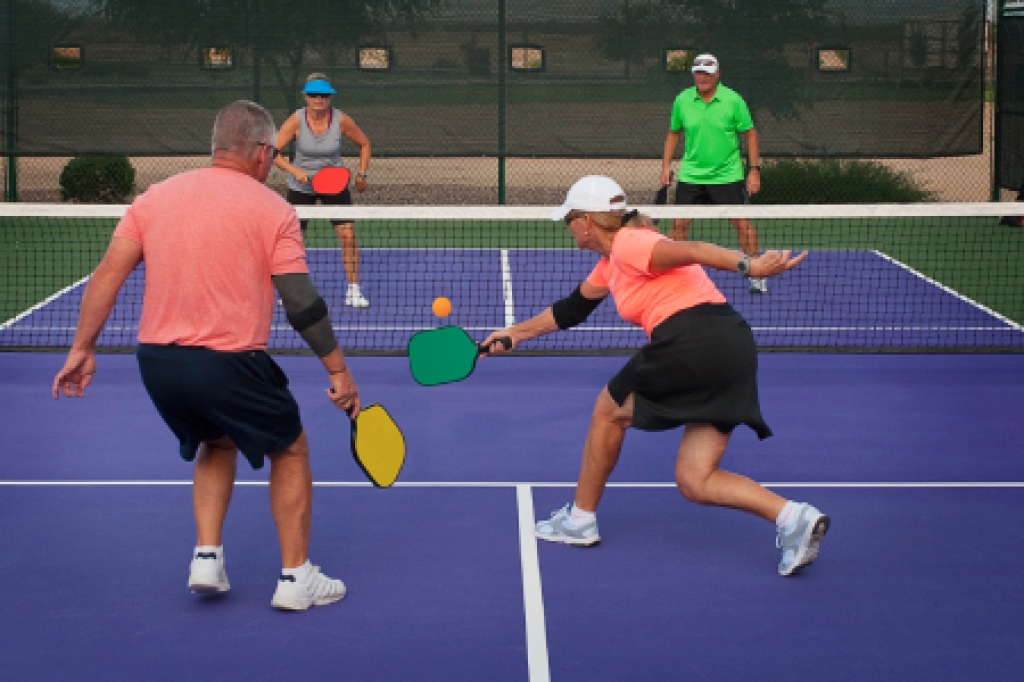
Pickleball, while a fun and engaging sport, can lead to various foot and ankle injuries due to its fast-paced nature and quick movements. One common injury is an ankle sprain, which often occurs when players twist or land awkwardly during play, resulting in pain and swelling. Another frequent pickleball injury is plantar fasciitis, characterized by heel pain that develops from repetitive stress and strain on the plantar fascia. Achilles tendonitis can also arise from overuse, causing discomfort at the back of the heel. Additionally, blisters and calluses may develop due to friction from quick lateral movements and improper footwear. If you have suffered a foot or ankle injury from playing pickleball, it is suggested that you consult a podiatrist who can treat these conditions and guide you on effective injury prevention techniques.

Ankle and foot injuries are common among athletes and in many sports. They can be caused by several problems and may be potentially serious. If you are feeling pain or think you were injured in a sporting event or when exercising, consult with John McGhan, DPM from Gold Canyon Foot & Ankle. Our doctor will assess your condition and provide you with quality foot and ankle treatment.

Common Injuries

The most common injuries that occur in sporting activities include:

  • Achilles Tendonitis
  • Achilles Tendon Rupture
  • Ankle Sprains
  • Broken Foot
  • Plantar Fasciitis
  • Stress Fractures
  • Turf Toe

Symptoms

Symptoms vary depending upon the injury and in some cases, there may be no symptoms at all. However, in most cases, some form of symptom is experienced. Pain, aching, burning, bruising, tenderness, tightness or stiffness, sensation loss, difficulty moving, and swelling are the most common symptoms.

Treatment

Just as symptoms vary depending upon the injury, so do treatment options. A common treatment method is known as the RICE method. This method involves rest, applying ice, compression and elevating the afflicted foot or ankle. If the injury appears to be more serious, surgery might be required, such as arthroscopic or reconstructive surgery. Lastly, rehabilitation or therapy might be needed to gain full functionality in the afflicted area. Any discomfort experienced by an athlete must be evaluated by a licensed, reputable medical professional.  

If you have any questions please contact our office located in Gold Canyon, AZ . We offer the newest diagnostic and treatment technologies for all your foot and ankle needs.

Read more about Sports Related Foot and Ankle Injuries

Risks of Falling Outside the Home

Falling outside the home can pose a significant risk, especially for older adults. Falls outside the home can be caused by uneven terrain, slippery surfaces, or crowded areas. Parks, parking lots, and public staircases are common spots where falls may occur, leading to serious injuries like broken bones. Footwear choices play a vital role in preventing falls. Your shoes should offer solid support, fit properly, and have non-slip soles to provide stability. Balance issues, lower extremity weakness, or joint pain can also increase the risk of falls outside the home. A podiatrist can assess these factors, recommend supportive footwear, and suggest custom orthotics to improve balance. This foot doctor can address underlying foot conditions that might compromise your stability or suggest exercises and assistive devices to improve balance. If you have injured your foot or ankle from falling, it is suggested that you schedule an appointment with a podiatrist for appropriate treatment methods.

Preventing falls among the elderly is very important. If you are older and have fallen or fear that you are prone to falling, consult with John McGhan, DPM from Gold Canyon Foot & Ankle. Our doctor will assess your condition and provide you with quality advice and care.

Every 11 seconds, an elderly American is being treated in an emergency room for a fall related injury. Falls are the leading cause of head and hip injuries for those 65 and older. Due to decreases in strength, balance, senses, and lack of awareness, elderly persons are very susceptible to falling. Thankfully, there are a number of things older persons can do to prevent falls.

How to Prevent Falls

Some effective methods that older persons can do to prevent falls include:

  • Enrolling in strength and balance exercise program to increase balance and strength
  • Periodically having your sight and hearing checked
  • Discuss any medications you have with a doctor to see if it increases the risk of falling
  • Clearing the house of falling hazards and installing devices like grab bars and railings
  • Utilizing a walker or cane
  • Wearing shoes that provide good support and cushioning
  • Talking to family members about falling and increasing awareness

Falling can be a traumatic and embarrassing experience for elderly persons; this can make them less willing to leave the house, and less willing to talk to someone about their fears of falling. Doing such things, however, will increase the likelihood of tripping or losing one’s balance. Knowing the causes of falling and how to prevent them is the best way to mitigate the risk of serious injury.  

If you have any questions, please feel free to contact our office located in Gold Canyon, AZ . We offer the newest diagnostic and treatment technologies for all your foot care needs.
Read more about Falls Prevention

Types of Ankle Braces After a Sprain

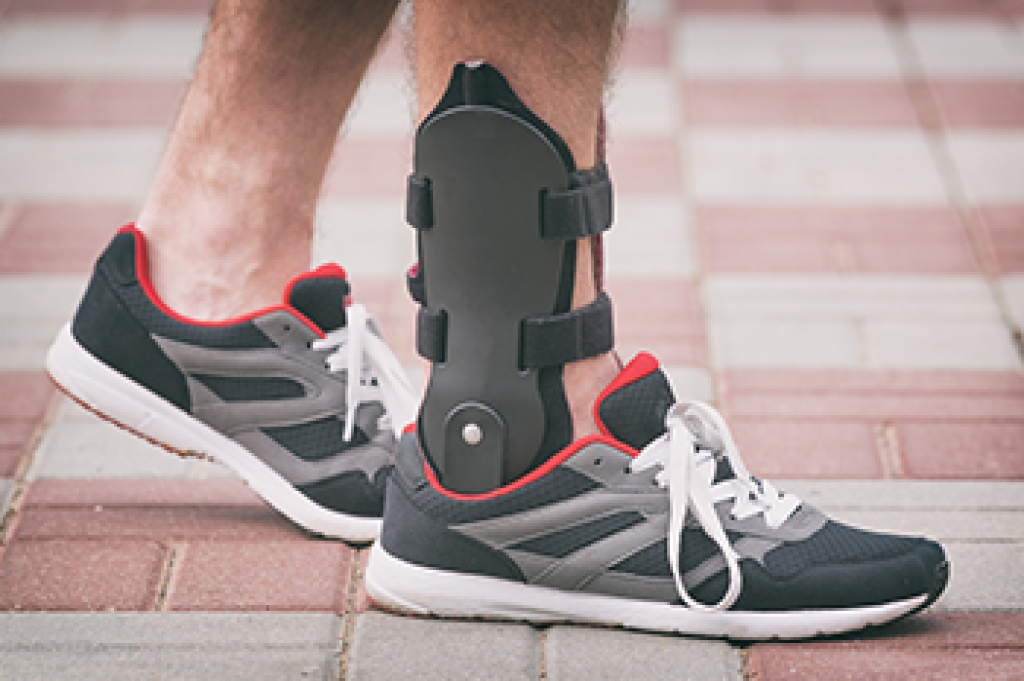
Selecting the right brace for an ankle sprain is important to ensure proper healing and support during recovery. Several types of ankle braces are available depending on the severity of your injury and activity level. Lace-up braces provide a snug, customizable fit with laces and straps. These are ideal for athletes needing extra support or recovering from strains. For mild sprains or chronic instability, compression sleeves offer both light support and stability for daily activities. If your injury is more severe, moderate to maximum support braces, featuring adjustable straps or side stays, can help prevent further injury while maintaining mobility. Full-shell protection, like a boot brace, is recommended for serious sprains or fractures, providing maximum stability. Features include a rocker sole to reduce pressure on the foot during walking. A podiatrist can offer advice on the appropriate ankle brace needed for your specific injury. If you have endured a sprained ankle, it is suggested that you schedule an appointment with a podiatrist for treatment.

Although ankle sprains are common, they aren’t always minor injuries. If you need your ankle injury looked at, contact John McGhan, DPM from Gold Canyon Foot & Ankle. Our doctor can provide the care you need to keep you pain-free and on your feet.

How Does an Ankle Sprain Occur?

Ankle sprains are the result of a tear in the ligaments within the ankle. These injuries may happen when you make a rapid shifting movement while your foot is planted. A less common way to sprain your ankle is when your ankle rolls inward while your foot turns outward.

What Are the Symptoms?

  • Pain at the sight of the tear
  • Bruising/Swelling
  • Ankle area is tender to touch
  • In severe cases, may hear/feel something tear
  • Skin discoloration

Preventing a Sprain

  • Wearing appropriate shoes for the occasion
  • Stretching before exercises and sports
  • Knowing your limits

Treatment of a Sprain

In many cases, the RICE method (Rest, Ice, Compression, and Elevate) is used to treat ankle sprains. However, you should see a podiatrist to see which treatment option would work best with your injury. In severe cases, surgery may be required.

It is important to ask your doctor about rehab options after you receive treatment for your injury. Stretching, strength training, and balance exercises may help the ankle heal while also preventing further injury.

If you have any questions, please feel free to contact our office located in Gold Canyon, AZ . We offer the newest diagnostic and treatment technologies for all your foot care needs.

Read more about Ankle Sprains

Reminder: When Was the Last Time...?

Custom orthotics, or shoe inserts, should be periodically replaced. Orthotics must fit properly to give you the best results. Protect your feet and ankles!

Connect With Us