
Have your child's feet been examined lately? Healthy feet are happy feet. If your child is complaining of foot pain, it may be a sign of underlying problems.
Have your child's feet been examined lately? Healthy feet are happy feet. If your child is complaining of foot pain, it may be a sign of underlying problems.

Hammertoe is a deformity in which one of the smaller toes bends downward at the middle joint, creating a curled or claw-like appearance. It may look raised or misaligned, and may develop corns or calluses where the toe joint rubs against footwear. Symptoms include stiffness, irritation, swelling, and pain that can make walking difficult. The condition may feel tender, cramped, or sore, especially while wearing tight shoes. Causes include muscle imbalance, arthritis, previous injury, or wearing shoes that are too narrow or too short. A podiatrist can begin by examining the affected toe joint, assessing its flexibility, and identifying any underlying biomechanical factors. Once a diagnosis is made, treatment options include footwear changes, protective padding, custom orthotics, or splinting to improve alignment. In more advanced cases, surgery may be recommended to restore function and relieve chronic discomfort. Because early care can reduce symptoms and prevent progression, it is suggested that you schedule an appointment with a podiatrist for effective treatment solutions.
Hammertoe
Hammertoes can be a painful condition to live with. For more information, contact John McGhan, DPM from Gold Canyon Foot & Ankle. Our doctor will answer any of your foot- and ankle-related questions.
Hammertoe is a foot deformity that affects the joints of the second, third, fourth, or fifth toes of your feet. It is a painful foot condition in which these toes curl and arch up, which can often lead to pain when wearing footwear.
Symptoms
Causes
Genetics – People who are genetically predisposed to hammertoe are often more susceptible
Arthritis – Because arthritis affects the joints in your toes, further deformities stemming from arthritis can occur
Trauma – Direct trauma to the toes could potentially lead to hammertoe
Ill-fitting shoes – Undue pressure on the front of the toes from ill-fitting shoes can potentially lead to the development of hammertoe
Treatment
Orthotics – Custom made inserts can be used to help relieve pressure placed on the toes and therefore relieve some of the pain associated with it
Medications – Oral medications such as anti-inflammatories or NSAIDs could be used to treat the pain and inflammation hammertoes causes. Injections of corticosteroids are also sometimes used
Surgery – In more severe cases where the hammertoes have become more rigid, foot surgery is a potential option
If you have any questions, please feel free to contact our office located in Gold Canyon, AZ . We offer the newest diagnostic and treatment technologies for all your foot care needs.

Children can experience several types of foot deformities that affect comfort and development. Flat feet occur when the arch does not form properly, leading to tired or achy feet. Talipes calcaneus involves excessive upward bending of the foot, often seen in newborns. In-toeing is when the feet point inward during walking and may result from hip, leg, or foot alignment issues. Talipes equinus limits upward motion of the ankle, causing a child to walk on the toes. A podiatrist can identify the cause of each condition, offer supportive care, guide proper development, and recommend treatments such as stretching programs, orthotics, or monitoring growth patterns. If you have concerns about your child’s foot development, it is suggested that you schedule a visit with a podiatrist for an expert evaluation and professional guidance.
The health of a child’s feet is vital to their overall well-being. If you have any questions regarding foot health, contact John McGhan, DPM of Gold Canyon Foot & Ankle. Our doctor can provide the care you need to keep you pain-free and on your feet.
Tips for Keeping Children's Feet Healthy
If you have any questions, please feel free to contact our office located in Gold Canyon, AZ . We offer the newest diagnostic and treatment technologies for all your foot care needs.
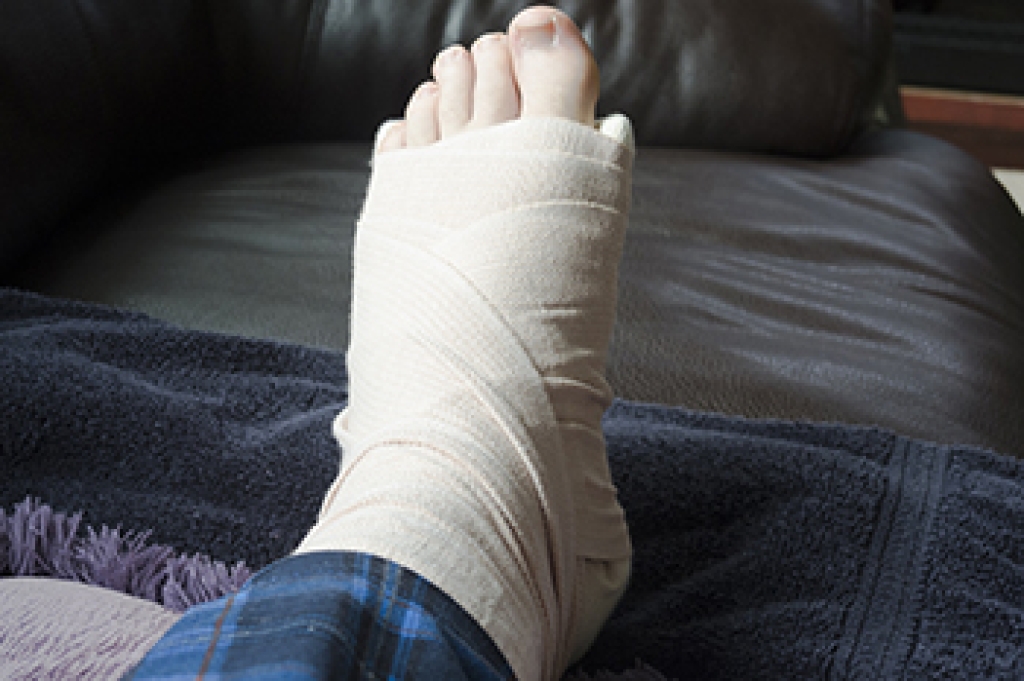
Foot fractures are broken bones resulting from trauma, falls, sports injuries, or repetitive stress. The feet may look swollen, bruised, or deformed, and in some cases the toes or midfoot may appear misaligned. Symptoms include sharp, intense pain at the time of injury, followed by tenderness, difficulty walking, or an inability to bear weight. Stress fractures, which are small hairline cracks in the bones, are common in athletes and dancers due to repetitive impact and may not be immediately visible on X-rays. A podiatrist can provide a thorough evaluation, including physical examination and imaging such as X-rays or an MRI, to confirm the diagnosis and determine the severity of the foot fracture. Treatment options include immobilization with casts or splints, protective footwear, activity modification, or in severe cases surgery. Early professional care promotes proper healing, reduces pain, and prevents long-term complications. If you suspect a foot fracture, it is suggested that you make an appointment with a podiatrist.
A broken foot requires immediate medical attention and treatment. If you need your feet checked, contact John McGhan, DPM from Gold Canyon Foot & Ankle. Our doctor can provide the care you need to keep you pain-free and on your feet.
Broken Foot Causes, Symptoms, and Treatment
A broken foot is caused by one of the bones in the foot typically breaking when bended, crushed, or stretched beyond its natural capabilities. Usually the location of the fracture indicates how the break occurred, whether it was through an object, fall, or any other type of injury.
Common Symptoms of Broken Feet:
Those that suspect they have a broken foot shoot seek urgent medical attention where a medical professional could diagnose the severity.
Treatment for broken bones varies depending on the cause, severity and location. Some will require the use of splints, casts or crutches while others could even involve surgery to repair the broken bones. Personal care includes the use of ice and keeping the foot stabilized and elevated.
If you have any questions, please feel free to contact our office located in Gold Canyon, AZ . We offer the newest diagnostic and treatment technologies for all your foot care needs.

Sesamoiditis is a painful inflammation of the tiny sesamoid bones located beneath the big toe joint. These small bones act like pulleys, helping the tendons move smoothly and absorb pressure with every step. When they become irritated from overuse, repetitive impact, or increased activity on hard surfaces, pain develops directly under the big toe. Many people describe a deep ache or sharp discomfort that worsens when pushing off the toe while walking. Swelling, tenderness, and difficulty bending the big toe are common signs. Dancers, runners, people with high arches, and anyone who spends long hours on their feet are more prone to this condition. Without proper care, symptoms can progress and interfere with daily movement. Rest, wearing supportive footwear, and targeted treatments can provide relief. If you notice persistent pain beneath your big toe or difficulty bearing weight, it is suggested that you see a podiatrist for an evaluation and personalized treatment.
Sesamoiditis is an unpleasant foot condition characterized by pain in the balls of the feet. If you think you’re struggling with sesamoiditis, contact John McGhan, DPM of Gold Canyon Foot & Ankle. Our doctor will treat your condition thoroughly and effectively.
Sesamoiditis
Sesamoiditis is a condition of the foot that affects the ball of the foot. It is more common in younger people than it is in older people. It can also occur with people who have begun a new exercise program, since their bodies are adjusting to the new physical regimen. Pain may also be caused by the inflammation of tendons surrounding the bones. It is important to seek treatment in its early stages because if you ignore the pain, this condition can lead to more serious problems such as severe irritation and bone fractures.
Causes of Sesamoiditis
Treatment for sesamoiditis is non-invasive and simple. Doctors may recommend a strict rest period where the patient forgoes most physical activity. This will help give the patient time to heal their feet through limited activity. For serious cases, it is best to speak with your doctor to determine a treatment option that will help your specific needs.
If you have any questions, please feel free to contact our office located in Gold Canyon, AZ . We offer the newest diagnostic and treatment technologies for all your foot care needs.
Connect With Us
