
What Are Plantar Warts?

Plantar warts are small growths that develop on the soles of the feet due to infection from the human papillomavirus, or HPV. This virus enters the skin through tiny cuts or abrasions, often in warm and moist environments like locker rooms or public showers. Risk factors include walking barefoot in shared spaces, weakened immunity, and direct contact with contaminated surfaces. Plantar warts may appear as rough, grainy lesions with tiny black dots in the center, and can cause pain while walking or standing. They sometimes grow inward because of pressure on the foot. A podiatrist can diagnose and safely treat plantar warts with effective in-office procedures. If you think you have developed a plantar wart, it is suggested that you consult a podiatrist who can offer effective relief solutions.

Plantar warts can be very uncomfortable. If you need your feet checked, contact John McGhan, DPM from Gold Canyon Foot & Ankle. Our doctor will assist you with all of your foot and ankle needs.

About Plantar Warts

Plantar warts are the result of HPV, or human papillomavirus, getting into open wounds on the feet. They are mostly found on the heels or balls of the feet.

While plantar warts are generally harmless, those experiencing excessive pain or those suffering from diabetes or a compromised immune system require immediate medical care. Plantar warts are easily diagnosed, usually through scraping off a bit of rough skin or by getting a biopsy.

Symptoms

  • Lesions on the bottom of your feet, usually rough and grainy
  • Hard or thick callused spots
  • Wart seeds, which are small clotted blood vessels that look like little black spots
  • Pain, discomfort, or tenderness of your feet when walking or standing

Treatment

  • Freezing
  • Electric tool removal
  • Laser Treatment
  • Topical Creams (prescription only)
  • Over-the-counter medications

To help prevent developing plantar warts, avoid walking barefoot over abrasive surfaces that can cause cuts or wounds for HPV to get into. Avoiding direct contact with other warts, as well as not picking or rubbing existing warts, can help prevent the further spread of plantar warts. However, if you think you have developed plantar warts, speak to your podiatrist. He or she can diagnose the warts on your feet and recommend the appropriate treatment options.

If you have any questions, please feel free to contact our office located in Gold Canyon, AZ . We offer the newest diagnostic and treatment technologies for all your foot care needs.

Read more about What Are Plantar Warts?

When Heel Cracks Start to Hurt and Why It Matters

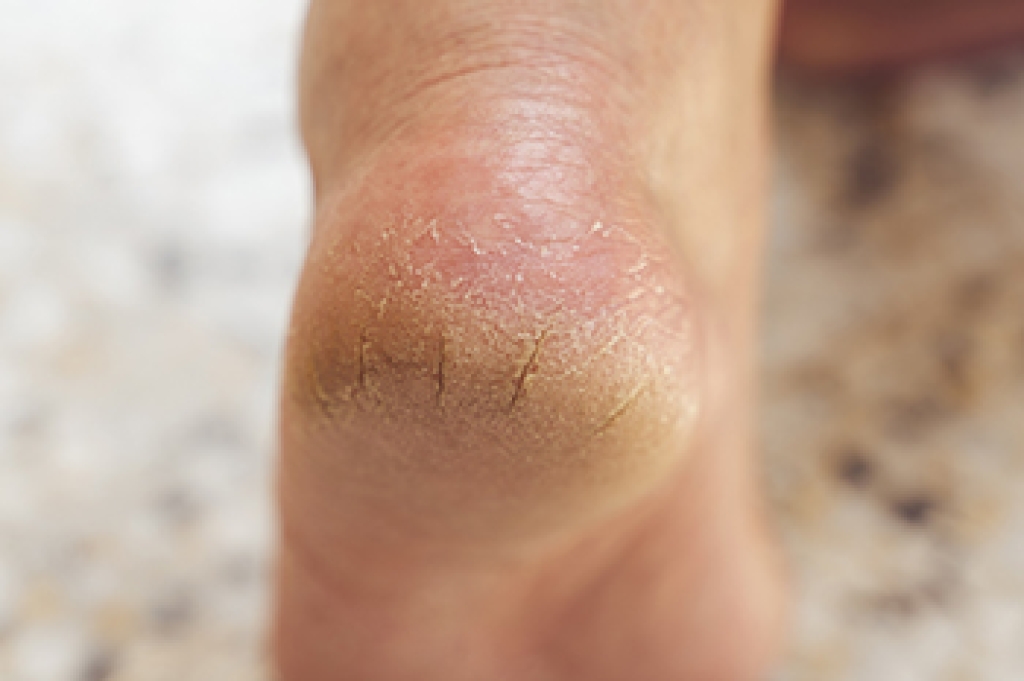
Cracked heels often begin as dry, thickened skin, but pain can develop once the surface splits under pressure. Every step places force on the heel, causing the skin to pull apart and expose sensitive tissue below. This can lead to burning, sharp discomfort, or bleeding. Standing for long periods of time, wearing unsupportive shoes, excess body weight, and reduced skin moisture all contribute to deeper fissures. Certain medical conditions, including diabetes or poor circulation, increase the risk that cracks may worsen or become infected. Warning signs include redness, swelling, drainage, or cracks that do not improve with basic care. While some heel cracks are mild, others can interfere with walking and overall foot health. If heel fissures are painful, deep, or slow to heal, it is suggested that you see a podiatrist for an evaluation and appropriate treatment.

Cracked heels are unsightly and can cause further damage to your shoes and feet. If you have any concerns, contact John McGhan, DPM from Gold Canyon Foot & Ankle. Our doctor can provide the care you need to keep you pain-free and on your feet.

Cracked Heels

Cracked heels appear unappealing and can make it harder for you walk around in sandals. Aside from looking unpleasant, cracked heels can also tear stockings, socks, and wear out your shoes. There are several methods to help restore a cracked heel and prevent further damage.

How Do You Get Them?

Dry skin is the number one culprit in creating cracked heels. Many athletes, walkers, joggers, and even swimmers suffer from cracked heels. Age and skin oil production play a role to getting cracked heels as well.

Promote Healing

Over the counter medicines can help, especially for those that need instant relief or who suffer from chronic dry feet.

Wear Socks – Wearing socks with medicated creams helps lock in moisture.

Moisturizers – Applying both day and night will help alleviate dryness which causes cracking.

Pumice Stones – These exfoliate and remove dead skin, which allows for smoother moisturizer application and better absorption into the skin. 

Change in Diet

Eating healthy with a well-balanced diet will give the skin a fresh and radiant look. Your body responds to the kinds of food you ingest. Omega-3 fatty acids and zinc supplements can also revitalize skin tissue.

Most importantly, seek professional help if unsure how to proceed in treating cracked heels. A podiatrist will help you with any questions or information needed. 

If you have any questions, please feel free to contact our office located in Gold Canyon, AZ . We offer the newest diagnostic and treatment technologies for all your foot care needs.

Read more about Solutions for Cracked Heels

What Poor Circulation in the Feet Really Means

Poor circulation in the legs and feet means that blood is not flowing efficiently to the tissues that need oxygen and nutrients. In the feet, this can lead to cold skin, numbness, color changes, slow growing toenails, or wounds that take longer to heal. Reduced blood flow may result from narrowed arteries, diabetes, smoking, or prolonged pressure on the feet. Over time, poor circulation increases the risk of infection, skin breakdown, and chronic wounds. Managing the problem starts with protecting foot health. Wearing properly fitting shoes, staying active within comfort limits, and keeping feet warm. Controlling blood sugar, blood pressure, and cholesterol also plays an important role. Regular foot checks help catch changes early. When symptoms persist, professional evaluation is important to prevent complications. If foot changes, pain, or slow healing are present, it is suggested that you see a podiatrist for a proper diagnosis and appropriate treatment.

While poor circulation itself isn’t a condition; it is a symptom of another underlying health condition you may have. If you have any concerns with poor circulation in your feet contact John McGhan, DPM of Gold Canyon Foot & Ankle. Our doctor will treat your foot and ankle needs.

Poor Circulation in the Feet

Peripheral artery disease (PAD) can potentially lead to poor circulation in the lower extremities. PAD is a condition that causes the blood vessels and arteries to narrow. In a linked condition called atherosclerosis, the arteries stiffen up due to a buildup of plaque in the arteries and blood vessels. These two conditions can cause a decrease in the amount of blood that flows to your extremities, therefore resulting in pain.

Symptoms

Some of the most common symptoms of poor circulation are:

  • Numbness
  • Tingling
  • Throbbing or stinging pain in limbs
  • Pain
  • Muscle Cramps

Treatment for poor circulation often depends on the underlying condition that causes it. Methods for treatment may include insulin for diabetes, special exercise programs, surgery for varicose veins, or compression socks for swollen legs.

As always, see a podiatrist as he or she will assist in finding a regimen that suits you. A podiatrist can also prescribe you any needed medication. 

If you have any questions, please feel free to contact our office located in Gold Canyon, AZ . We offer the newest diagnostic and treatment technologies for all your foot care needs.

Read more about Causes, Symptoms, and Treatment of Poor Blood Circulation in the Feet

Diabetes and How It Affects the Feet

Diabetes is a chronic condition that affects how the body manages blood sugar and can lead to serious complications in the feet, possibly causing serious conditions to develop. Diabetic neuropathy causes nerve damage that reduces sensation, making it difficult to feel pain or injury. Peripheral vascular disease involves poor blood flow, which slows healing and increases the risk of wounds. Infection may develop when cuts or blisters go unnoticed and worsen without proper care. Additionally, charcot arthropathy is a severe condition where weakened bones and joints collapse, changing foot shape and stability. A podiatrist plays a vital role in diabetic foot care by monitoring circulation and sensation, treating wounds, preventing infection, and identifying early structural changes. If you have diabetes, it is strongly suggested that you are under the care of a podiatrist who can help you to manage this serious condition.

Diabetic foot care is important in preventing foot ailments such as ulcers. If you are suffering from diabetes or have any other concerns about your feet, contact John McGhan, DPM from Gold Canyon Foot & Ankle. Our doctor can provide the care you need to keep you pain-free and on your feet.

Diabetic Foot Care

Diabetes affects millions of people every year. The condition can damage blood vessels in many parts of the body, especially the feet. Because of this, taking care of your feet is essential if you have diabetes, and having a podiatrist help monitor your foot health is highly recommended.

The Importance of Caring for Your Feet

  • Routinely inspect your feet for bruises or sores.
  • Wear socks that fit your feet comfortably.
  • Wear comfortable shoes that provide adequate support.

Patients with diabetes should have their doctor monitor their blood levels, as blood sugar levels play such a huge role in diabetic care. Monitoring these levels on a regular basis is highly advised.

It is always best to inform your healthcare professional of any concerns you may have regarding your feet, especially for diabetic patients. Early treatment and routine foot examinations are keys to maintaining proper health, especially because severe complications can arise if proper treatment is not applied.

If you have any questions, please feel free to contact our office located in Gold Canyon, AZ . We offer the newest diagnostic and treatment technologies for all your foot care needs.

Read more about Diabetic Foot Care

Connect With Us