
Toenails That Grow the Wrong Way

An ingrown toenail occurs when the edge of the nail grows into the surrounding skin instead of over it. This condition most often affects the big toe and can cause significant discomfort. The area may appear red, swollen, and tender, and the skin along the nail edge may feel painful when touched or when pressure is applied from shoes. As the condition worsens, the area can become warm, inflamed, or even develop drainage if infection begins. Common causes include trimming the nails too short, rounding the corners of the nail, tight footwear, injury to the toe, or natural nail shape. A podiatrist can evaluate the toe and determine the best treatment based on the severity of the condition. Early care may include careful nail trimming, reducing pressure on the toe, and protecting the irritated skin. If the problem continues or the nail becomes infected, a small procedure may be performed to remove the ingrown portion of the nail and prevent it from returning. If you have a painful ingrown toenail, it is suggested that you make an appointment with a podiatrist.

Ingrown toenails may initially present themselves as a minor discomfort, but they may progress into an infection in the skin without proper treatment. For more information about ingrown toenails, contact John McGhan, DPM of Gold Canyon Foot & Ankle. Our doctor can provide the care you need to keep you pain-free and on your feet.

Ingrown Toenails

Ingrown toenails are caused when the corner or side of a toenail grows into the soft flesh surrounding it. They often result in redness, swelling, pain, and in some cases, infection. This condition typically affects the big toe and may recur if it is not treated properly.

Causes

  • Improper toenail trimming
  • Genetics
  • Improper shoe fitting
  • Injury from pedicures or nail picking
  • Abnormal gait
  • Poor hygiene

You are more likely to develop an ingrown toenail if you are obese, have diabetes, arthritis, or have any fungal infection in your nails. Additionally, people who have foot or toe deformities are at a higher risk of developing an ingrown toenail.

Symptoms

Some symptoms of ingrown toenails are redness, swelling, and pain. In rare cases, there may be a yellowish drainage coming from the nail.

Treatment

Ignoring an ingrown toenail can have serious complications. Infections of the nail border can progress to a deeper soft-tissue infection, which can then turn into a bone infection. You should always speak with your podiatrist if you suspect you have an ingrown toenail, especially if you have diabetes or poor circulation.

If you have any questions, please feel free to contact our office located in Gold Canyon, AZ . We offer the newest diagnostic and treatment technologies for all your foot care needs.

Read more about Ingrown Toenail Care

Diabetic Foot Ulcers and Podiatric Care

A diabetic foot ulcer is an open sore or wound that develops on the foot as a serious complication of diabetes-related nerve damage and poor circulation. Reduced sensation in the feet may prevent a person from noticing small injuries, which can gradually develop into ulcers if untreated. Symptoms include redness, drainage, swelling, and slow-healing skin breakdown. Risk factors involve long-term diabetes, nerve-related changes, reduced blood flow, wearing poorly-fitted footwear, and inadequate foot care. Proper care includes daily foot inspections, maintaining clean and dry skin, supportive footwear, and seeking early medical attention for any skin changes. A podiatrist can evaluate circulation, treat wounds, and guide preventive care. If you have diabetes and if foot wounds or skin changes appear, it is suggested that you are under the care of a podiatrist who can help you to manage this serious condition.

Wound care is an important part in dealing with diabetes. If you have diabetes and a foot wound or would like more information about wound care for diabetics, consult with John McGhan, DPM from Gold Canyon Foot & Ankle. Our doctor will assess your condition and provide you with quality foot and ankle treatment.

What Is Wound Care?

Wound care is the practice of taking proper care of a wound. This can range from the smallest to the largest of wounds. While everyone can benefit from proper wound care, it is much more important for diabetics. Diabetics often suffer from poor blood circulation which causes wounds to heal much slower than they would in a non-diabetic. 

What Is the Importance of Wound Care?

While it may not seem apparent with small ulcers on the foot, for diabetics, any size ulcer can become infected. Diabetics often also suffer from neuropathy, or nerve loss. This means they might not even feel when they have an ulcer on their foot. If the wound becomes severely infected, amputation may be necessary. Therefore, it is of the upmost importance to properly care for any and all foot wounds.

How to Care for Wounds

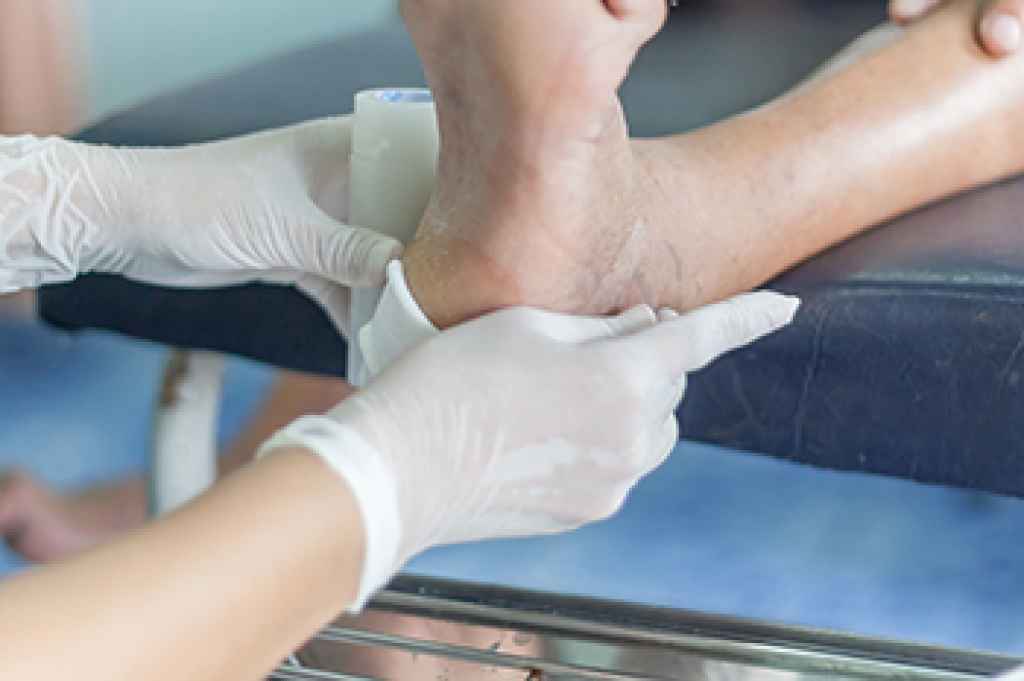
The best way to care for foot wounds is to prevent them. For diabetics, this means daily inspections of the feet for any signs of abnormalities or ulcers. It is also recommended to see a podiatrist several times a year for a foot inspection. If you do have an ulcer, run the wound under water to clear dirt from the wound; then apply antibiotic ointment to the wound and cover with a bandage. Bandages should be changed daily and keeping pressure off the wound is smart. It is advised to see a podiatrist, who can keep an eye on it.

If you have any questions please contact our office located in Gold Canyon, AZ . We offer the newest diagnostic and treatment technologies for all your foot and ankle needs.

Read more about Wound Care

Why Foot Pain Is Common During Pregnancy

Foot pain during pregnancy is common, and can develop for several reasons. As body weight increases, added pressure is placed on the arches, heels, and forefoot. This weight-related stress may lead to arch strain and heel discomfort. Hormone-related changes also play a role. Increased levels of relaxing cause ligaments to become more flexible, which can reduce joint stability and contribute to flat-foot development. Swelling is another frequent concern. Fluid retention may cause tightness, tingling, or nerve-related discomfort, especially later in pregnancy. Changes in posture and balance can shift weight distribution, leading to ankle strain and forefoot pressure. Some women also notice that previously supportive shoes no longer feel comfortable due to foot-size changes. Wearing well-fitting, supportive footwear and using custom-made orthotics may reduce symptoms. Early evaluation can prevent long-term problems. If you have persistent foot pain during pregnancy, it is suggested that you see a podiatrist for proper guidance.

Pregnant women with swollen feet can be treated with a variety of different methods that are readily available. For more information about other cures for swollen feet during pregnancy, consult with John McGhan, DPM from Gold Canyon Foot & Ankle. Our doctor will attend to all of your foot and ankle needs.

What Foot Problems Can Arise During Pregnancy?

One problem that can occur is overpronation, which occurs when the arch of the foot flattens and tends to roll inward.  This can cause pain and discomfort in your heels while you’re walking or even just standing up, trying to support your baby.  

Another problem is edema, or swelling in the extremities. This often affects the feet during pregnancy but tends to occur in the later stages. 

How Can I Keep My Feet Healthy During Pregnancy?

  • Wearing orthotics can provide extra support for the feet and help distribute weight evenly
  • Minimize the amount of time spent walking barefoot
  • Wear shoes with good arch support
  • Wear shoes that allow for good circulation to the feet
  • Elevate feet if you experience swelling
  • Massage your feet
  • Get regular, light exercise, such as walking, to promote blood circulation to the feet

If you have any questions, please feel free to contact our office located in Gold Canyon, AZ . We offer the newest diagnostic and treatment technologies for all your foot care needs.

Read more about Pregnancy and Foot Health

When 3 Parts of the Ankle Are Broken

When three parts of the ankle break at the same time, the injury is serious and often unstable. The ankle is made up of the lower ends of the two leg bones and the back portion of the shinbone, all of which work together to form the joint that allows the foot to move up, down, and side to side. These bones also help hold strong bands of tissue in place that keep the ankle steady. A broken ankle of this type usually happens during a high-impact event, such as a car accident, a fall from a height, or a sports injury that causes the ankle to twist forcefully. Severe pain, swelling, bruising, visible deformity, and an inability to stand or walk are common symptoms. Diagnosis requires imaging to see how the bones are positioned. Treatment likely involves surgery to realign the bones and secure them with hardware so the joint can heal properly. If you have broken an ankle, it is suggested that you make an emergency appointment with a podiatrist for an exam, diagnosis, and treatment.

test

Read more about All About Broken Ankles

Causes of an Infected Foot Blister

An infected foot blister develops when a fluid filled lesion on the skin becomes contaminated with bacteria, often after friction, pressure, or improper care. Blisters commonly form from wearing tight footwear, prolonged walking, or moisture that irritates the skin. When infection occurs, symptoms may include increased pain, redness, warmth, swelling, foul smell, and the presence of pus. The surrounding skin may feel tender and appear inflamed, making walking uncomfortable. Relief options include keeping the area clean, protected, and properly dressed to reduce further irritation. A podiatrist can evaluate the severity of the infection, provide appropriate treatment to prevent complications. If you have a foot blister that has become infected, it is suggested that you consult a podiatrist who can offer effective treatment and prevention solutions.

Blisters may appear as a single bubble or in a cluster. They can cause a lot of pain and may be filled with pus, blood, or watery serum. If your feet are hurting, contact John McGhan, DPM of Gold Canyon Foot & Ankle. Our doctor can provide the care you need to keep you pain-free and on your feet.

Foot Blisters

Foot blisters are often the result of friction. This happens due to the constant rubbing from shoes, which can lead to pain.

What Are Foot Blisters?

A foot blister is a small fluid-filled pocket that forms on the upper-most layer of the skin. Blisters are filled with clear fluid and can lead to blood drainage or pus if the area becomes infected.

Symptoms

(Blister symptoms may vary depending on what is causing them)

  • Bubble of skin filled with fluid
  • Redness
  • Moderate to severe pain
  • Itching

Prevention & Treatment

In order to prevent blisters, you should be sure to wear comfortable shoes with socks that cushion your feet and absorb sweat. Breaking a blister open may increase your chances of developing an infection. However, if your blister breaks, you should wash the area with soap and water immediately and then apply a bandage to the affected area. If your blisters cause severe pain it is important that you call your podiatrist right away.

If you have any questions, please feel free to contact our office located in Gold Canyon, AZ . We offer the newest diagnostic and treatment technologies for all your foot care needs.

Read more about Blisters

Connect With Us