
If you are suffering from tenderness, pain, or stiffness in the joints of your feet or ankles, call us to schedule an appointment.
If you are suffering from tenderness, pain, or stiffness in the joints of your feet or ankles, call us to schedule an appointment.
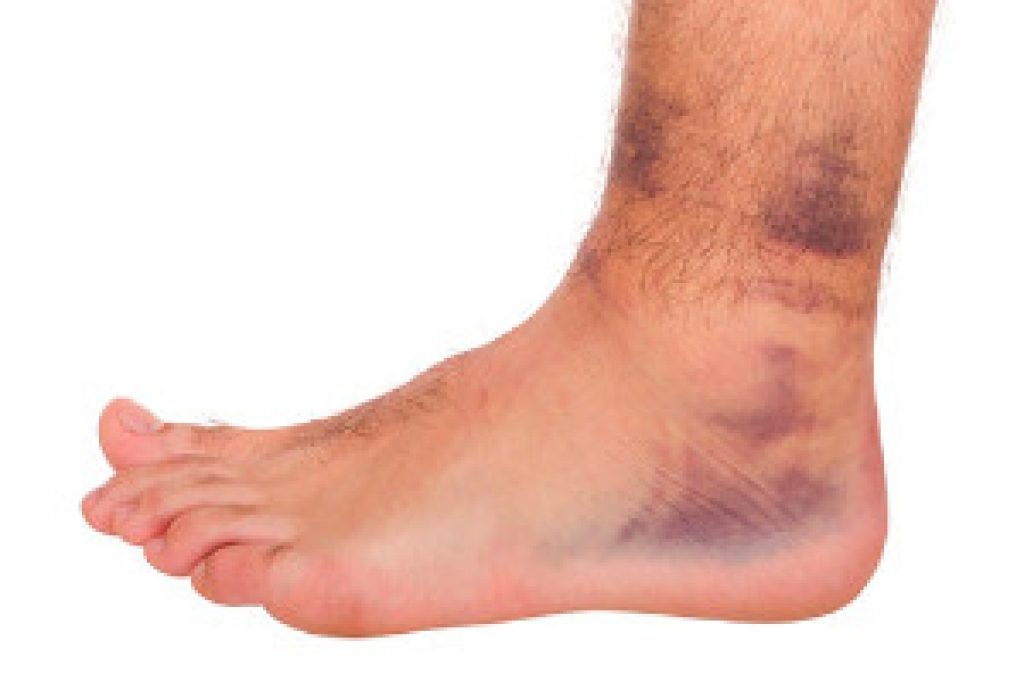
Maximum stability and mobility in the body can be attained when the feet and ankles work properly together. Foot and ankle trauma is a common ailment among people worldwide and may commonly happen among athletes. Some of the injuries people may develop from participating in running and jumping activities can consist of Achilles tendon injuries, ankle sprains, or stress fractures. Symptoms of an Achilles tendon injury can include pain in the bottom of the calf, and it may be difficult to point and flex the foot. An ankle sprain can occur when the ligaments are stretched beyond normal capacity, and the foot may become swollen and difficult to walk on. Stress fractures can be referred to as hairline fractures and can develop as a result of overuse while frequently running. If you have any pain in your feet or ankles, please schedule an appointment with a podiatrist as quickly as possible.
Foot and ankle trauma is common among athletes and the elderly. If you have concerns that you may have experienced trauma to the foot and ankle, consult with John McGhan, DPM from Gold Canyon Foot & Ankle. Our doctor will assess your condition and provide you with quality foot and ankle treatment.
Foot and ankle trauma cover a range of injuries all over the foot; common injuries include:
Symptoms
Symptoms of foot and ankle injuries vary depending on the injury, but more common ones include:
Diagnosis
To properly diagnose the exact type of injury, podiatrists will conduct a number of different tests. Some of these include sensation and visual tests, X-rays, and MRIs. Medical and family histories will also be taken into account.
Treatment
Once the injury has been diagnosed, the podiatrist can than offer the best treatment options for you. In less severe cases, rest and keeping pressure off the foot may be all that’s necessary. Orthotics, such as a specially made shoes, or immobilization devices, like splints or casts, may be deemed necessary. Finally, if the injury is severe enough, surgery may be necessary.
If you have any questions, please feel free to contact our office located in Gold Canyon, AZ . We offer the newest diagnostic and treatment technologies for all your foot care needs.
 Located on the bottom of the foot, there is a large portion of tissue that connects the heel to the toes. This is known as the plantar fascia, and if it becomes inflamed, the condition known as plantar fasciitis may develop. This condition can occur for a variety of reasons. These can include standing for extended periods of time throughout the day on a hard surface, participating in running or jumping activities, or from wearing shoes that do not fit correctly. Common symptoms that are often associated with plantar fasciitis can include swelling, severe pain after arising in the morning, and it may be difficult to walk. You may find relief when proper foot stretches are performed, and when the affected foot is elevated, as this may help to diminish existing swelling. It is suggested that you consult with a podiatrist if you experience any symptoms of plantar fasciitis.
Plantar fasciitis can be very painful and inconvenient. If you are experiencing heel pain or symptoms of plantar fasciitis, contact John McGhan, DPM from Gold Canyon Foot & Ankle. Our doctor can provide the care you need to keep you pain-free and on your feet.
What Is Plantar Fasciitis?
Plantar fasciitis is the inflammation of the thick band of tissue that runs along the bottom of your foot, known as the plantar fascia, and causes mild to severe heel pain.
What Causes Plantar Fasciitis?
How Can It Be Treated?
While very treatable, plantar fasciitis is definitely not something that should be ignored. Especially in severe cases, speaking to your doctor right away is highly recommended to avoid complications and severe heel pain. Your podiatrist can work with you to provide the appropriate treatment options tailored to your condition.
If you have any questions, please feel free to contact our office located in Gold Canyon, AZ . We offer the newest diagnostic and treatment technologies for all your foot care needs.
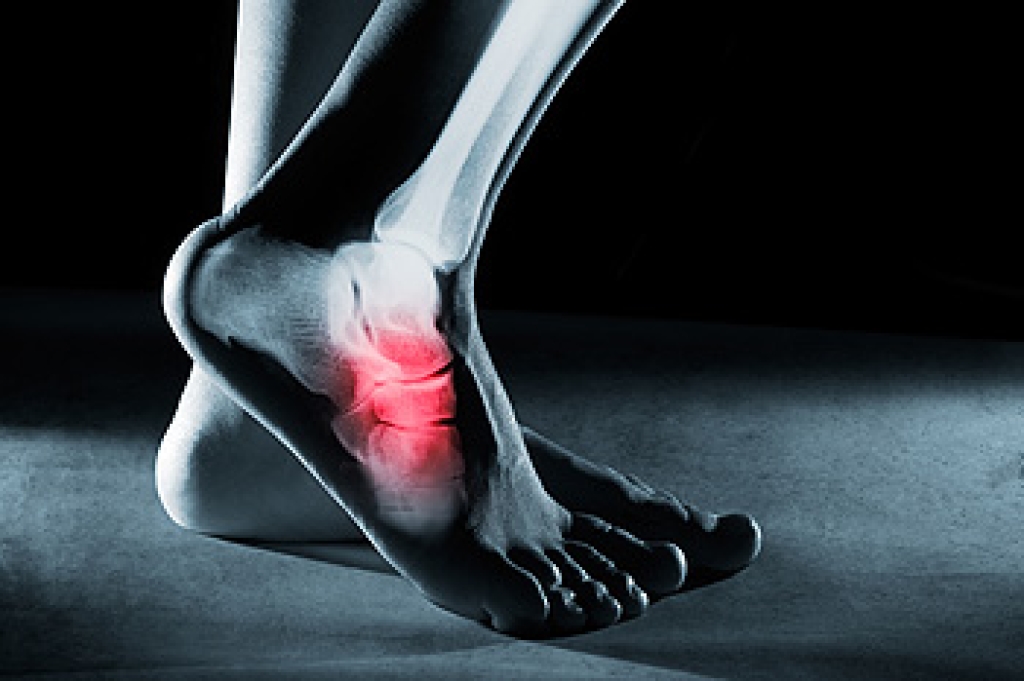 The pain that is associated with cuboid syndrome is generally felt on the outer side of the foot. This condition is known to be common among ballet dancers and athletes, and can develop due to performing repetitive movements. Additionally, it may occur from having had a foot injury, such as stepping off a curb unexpectedly, or twisting your ankle. Symptoms of this condition can include redness surrounding the point of injury, swelling in the ankle, and you may experience difficulty walking or moving the toes. Patients have found mild relief when the affected foot is elevated, as this may be helpful in reducing a portion of the swelling. If you feel you have cuboid syndrome, it is suggested that you consult with a podiatrist who can prescribe you custom orthotics, which may be beneficial in facilitating a speedy recovery.
Cuboid syndrome, also known as cuboid subluxation, occurs when the joints and ligaments near the cuboid bone in the foot become torn. If you have cuboid syndrome, consult with John McGhan, DPM from Gold Canyon Foot & Ankle. Our doctor will assess your condition and provide you with quality foot and ankle treatment.
Cuboid syndrome is a common cause of lateral foot pain, which is pain on the outside of the foot. The condition may happen suddenly due to an ankle sprain, or it may develop slowly overtime from repetitive tension through the bone and surrounding structures.
Causes
The most common causes of cuboid syndrome include:
Symptoms
A common symptom of cuboid syndrome is pain along the outside of the foot which can be felt in the ankle and toes. This pain may create walking difficulties and may cause those with the condition to walk with a limp.
Diagnosis
Diagnosis of cuboid syndrome is often difficult, and it is often misdiagnosed. X-rays, MRIs and CT scans often fail to properly show the cuboid subluxation. Although there isn’t a specific test used to diagnose cuboid syndrome, your podiatrist will usually check if pain is felt while pressing firmly on the cuboid bone of your foot.
Treatment
Just as the range of causes varies widely, so do treatments. Some more common treatments are ice therapy, rest, exercise, taping, and orthotics.
If you have any questions, please feel free to contact our office located in Gold Canyon, AZ . We offer the newest diagnostic and treatment technologies for all your foot care needs.
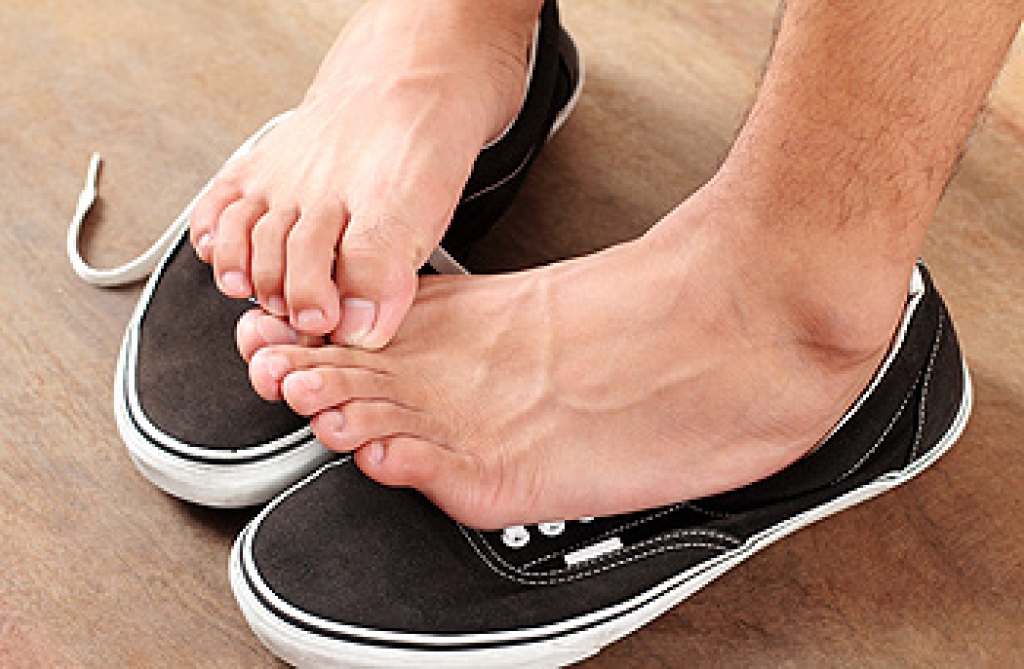 A type of skin condition that is caused by fungus is called athlete's foot. This ailment may develop if you don’t wear protective footwear in warm or moist environments. Places like communal showers, locker rooms, and swimming pools, are all areas in which this condition can be spread if the proper precautions are not taken. The best way to help prevent this infection is to avoid walking around barefoot, as well as maintaining good hygiene. Some patients who have developed athlete’s foot have noticed the skin between their toes become scaly, dry, and itchy. Others have also experienced inflammation and cracking of the skin. If left untreated, this condition may spread to other areas of the feet, such as the toenails. For more information on how to treat and heal this condition, it is suggested that you consult with a podiatrist for professional care.
Athlete’s foot is an inconvenient condition that can be easily reduced with the proper treatment. If you have any concerns about your feet and ankles, contact John McGhan, DPM from Gold Canyon Foot & Ankle. Our doctor will treat your foot and ankle needs.
Athlete’s Foot: The Sole Story
Athlete's foot, also known as tinea pedis, can be an extremely contagious foot infection. It is commonly contracted in public changing areas and bathrooms, dormitory style living quarters, around locker rooms and public swimming pools, or anywhere your feet often come into contact with other people.
Solutions to Combat Athlete’s Foot
Athlete’s foot can cause many irritating symptoms such as dry and flaking skin, itching, and redness. Some more severe symptoms can include bleeding and cracked skin, intense itching and burning, and even pain when walking. In the worst cases, Athlete’s foot can cause blistering as well. Speak to your podiatrist for a better understanding of the different causes of Athlete’s foot, as well as help in determining which treatment options are best for you.
If you have any questions please feel free to contact our office located in Gold Canyon, AZ . We offer the newest diagnostic and treatment technologies for all your foot and ankle needs.
Connect With Us
