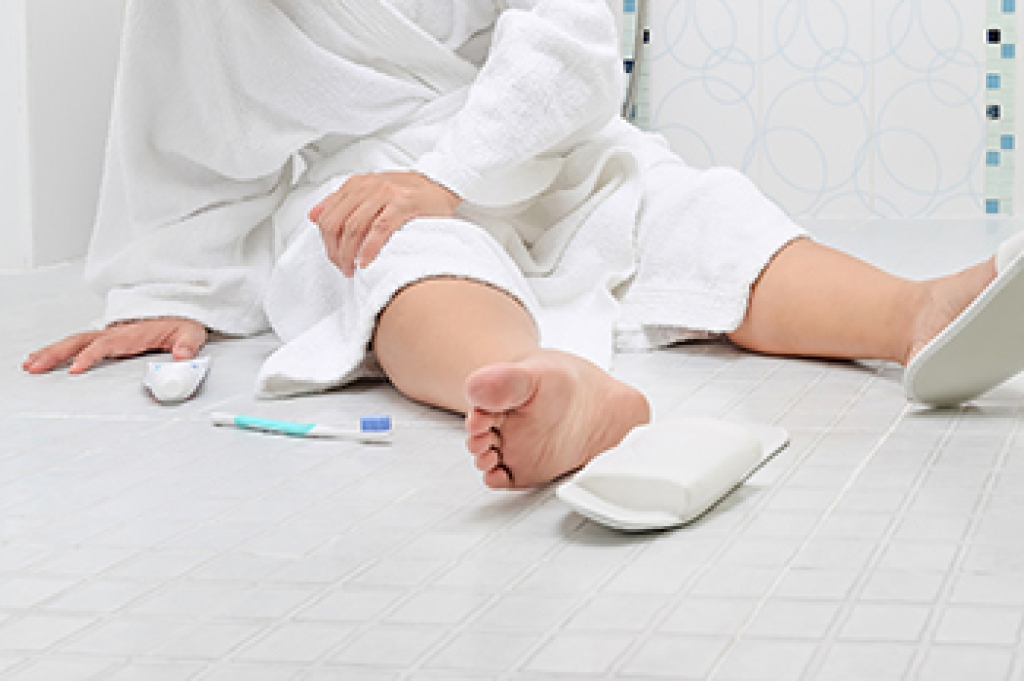
How Aging Feet Can Increase Fall Risk

As people age, changes in the lower limbs can quietly raise the chance of losing stability and stumbling. Reduced muscle power in the toes, along with stiff joints, can alter walking patterns and slow reactions. Ill-fitting shoes or worn soles further increase the likelihood of trips. Many seniors also develop sensory loss, making it harder to detect surfaces and obstacles. Targeted care can help, including tailored exercises for the lower limbs and guidance on properly fitted, supportive shoes. Regular assessment allows early identification of issues and timely management. Addressing these factors can improve confidence during daily activities and lower injury risk. Podiatrists can recommend skin care, orthoses, and routine nail maintenance, while coordinating with other clinicians to support safer movement and independence at home and in the community. If you are a senior and have developed foot pain or are looking for additional fall prevention tips, it is suggested that you schedule routine visits with a podiatrist.

Preventing falls among the elderly is very important. If you are older and have fallen or fear that you are prone to falling, consult with John McGhan, DPM from Gold Canyon Foot & Ankle. Our doctor will assess your condition and provide you with quality advice and care.

Every 11 seconds, an elderly American is being treated in an emergency room for a fall related injury. Falls are the leading cause of head and hip injuries for those 65 and older. Due to decreases in strength, balance, senses, and lack of awareness, elderly persons are very susceptible to falling. Thankfully, there are a number of things older persons can do to prevent falls.

How to Prevent Falls

Some effective methods that older persons can do to prevent falls include:

  • Enrolling in strength and balance exercise program to increase balance and strength
  • Periodically having your sight and hearing checked
  • Discuss any medications you have with a doctor to see if it increases the risk of falling
  • Clearing the house of falling hazards and installing devices like grab bars and railings
  • Utilizing a walker or cane
  • Wearing shoes that provide good support and cushioning
  • Talking to family members about falling and increasing awareness

Falling can be a traumatic and embarrassing experience for elderly persons; this can make them less willing to leave the house, and less willing to talk to someone about their fears of falling. Doing such things, however, will increase the likelihood of tripping or losing one’s balance. Knowing the causes of falling and how to prevent them is the best way to mitigate the risk of serious injury.  

If you have any questions, please feel free to contact our office located in Gold Canyon, AZ . We offer the newest diagnostic and treatment technologies for all your foot care needs.
Read more about Falls Prevention

Causes and Risk Factors of Gout

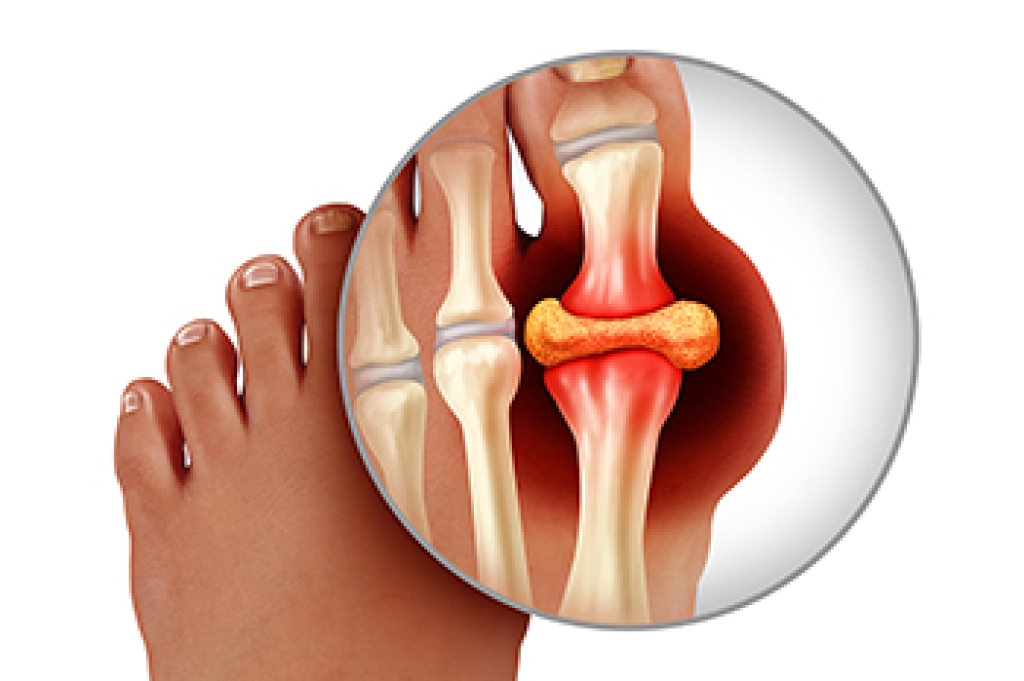
Gout is a form of arthritis caused by a buildup of uric acid in the body, leading to the formation of sharp crystals in the joints. It most commonly affects the big toe and can cause sudden and intense pain. Symptoms include redness, swelling, warmth, and severe tenderness in the affected area. Causes may include diet high in purines, dehydration, and reduced kidney function. Risk factors include obesity, alcohol use, certain medications, and family history. Men are more likely to develop gout due to higher uric acid levels and hormonal differences. A podiatrist can help by diagnosing the condition, managing pain, and recommending lifestyle changes. If you have pain in your big toe or surrounding areas, it is suggested that you are under the care of a podiatrist who can help you manage this painful condition.

Gout is a foot condition that requires certain treatment and care. If you are seeking treatment, contact John McGhan, DPM from Gold Canyon Foot & Ankle. Our doctor will treat your foot and ankle needs.

What Is Gout?

Gout is a type of arthritis caused by a buildup of uric acid in the bloodstream. It often develops in the foot, especially the big toe area, although it can manifest in other parts of the body as well. Gout can make walking and standing very painful and is especially common in diabetics and the obese.

People typically get gout because of a poor diet. Genetic predisposition is also a factor. The children of parents who have had gout frequently have a chance of developing it themselves.

Gout can easily be identified by redness and inflammation of the big toe and the surrounding areas of the foot. Other symptoms include extreme fatigue, joint pain, and running high fevers. Sometimes corticosteroid drugs can be prescribed to treat gout, but the best way to combat this disease is to get more exercise and eat a better diet.

If you have any questions, please feel free to contact our office located in Gold Canyon, AZ . We offer the newest diagnostic and treatment technologies for all your foot care needs.
Read more about Everything You Need to Know About Gout

Improving Foot Pronation with Gait Retraining

Foot pronation is a natural inward rolling of the foot during walking, but when it becomes excessive, it can place added stress on the arch, heel, and ankle. Over time, this may lead to discomfort, fatigue, or strain in other areas, such as the knees or hips. Gait retraining focuses on improving how you walk by making small, controlled changes to movement patterns. This may include adjusting stride length, foot placement, and posture to reduce unnecessary inward motion. Strengthening the muscles that support the arch and improving balance can also help create better control with each step. Wearing supportive footwear or orthotics may be used alongside retraining to guide proper alignment. With consistent practice, these changes can lead to more efficient movement and less strain on the foot. If walking is causing ongoing discomfort, it is suggested that you see a podiatrist for an evaluation of your walking patterns and treatment.

If you have any concerns about your feet, contact John McGhan, DPM from Gold Canyon Foot & Ankle. Our doctor can provide the care you need to keep you pain-free and on your feet.

Biomechanics in Podiatry

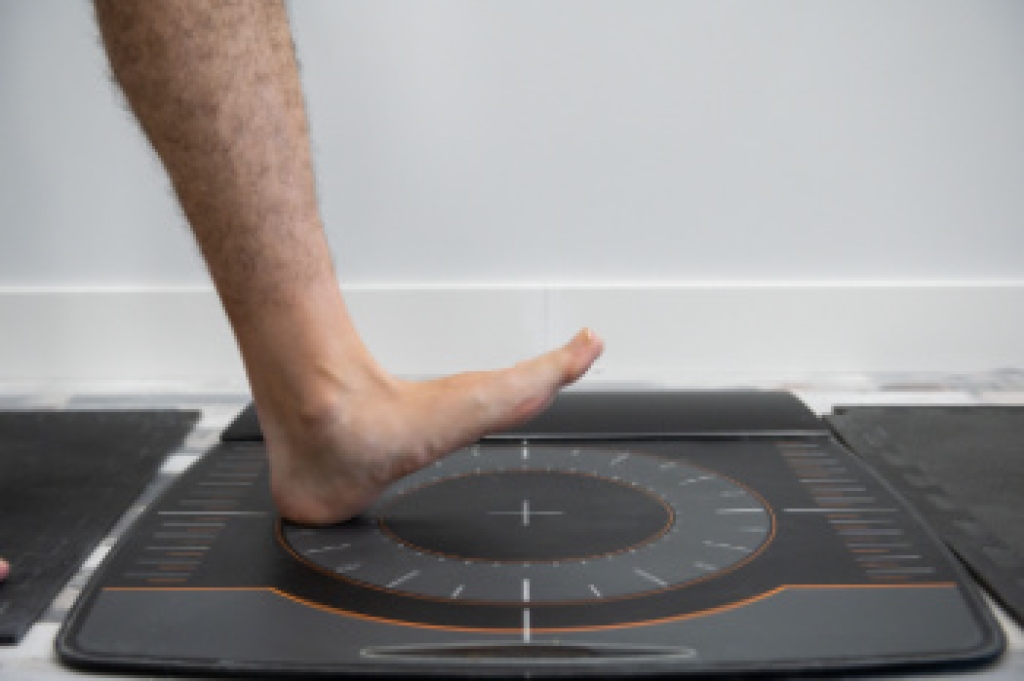
Podiatric biomechanics is a particular sector of specialty podiatry with licensed practitioners who are trained to diagnose and treat conditions affecting the foot, ankle and lower leg. Biomechanics deals with the forces that act against the body, causing an interference with the biological structures. It focuses on the movement of the ankle, the foot and the forces that interact with them.

A History of Biomechanics

  • Biomechanics dates back to the BC era in Egypt where evidence of professional foot care has been recorded.
  • In 1974, biomechanics gained a higher profile from the studies of Merton Root, who claimed that by changing or controlling the forces between the ankle and the foot, corrections or conditions could be implemented to gain strength and coordination in the area.

Modern technological improvements are based on past theories and therapeutic processes that provide a better understanding of podiatric concepts for biomechanics. Computers can provide accurate information about the forces and patterns of the feet and lower legs.

Understanding biomechanics of the feet can help improve and eliminate pain, stopping further stress to the foot.

If you have any questions please feel free to contact our office located in Gold Canyon, AZ . We offer the newest diagnostic and treatment technologies for all your foot and ankle needs.

Read more about Biomechanics in Podiatry

Causes of Toe Deformities

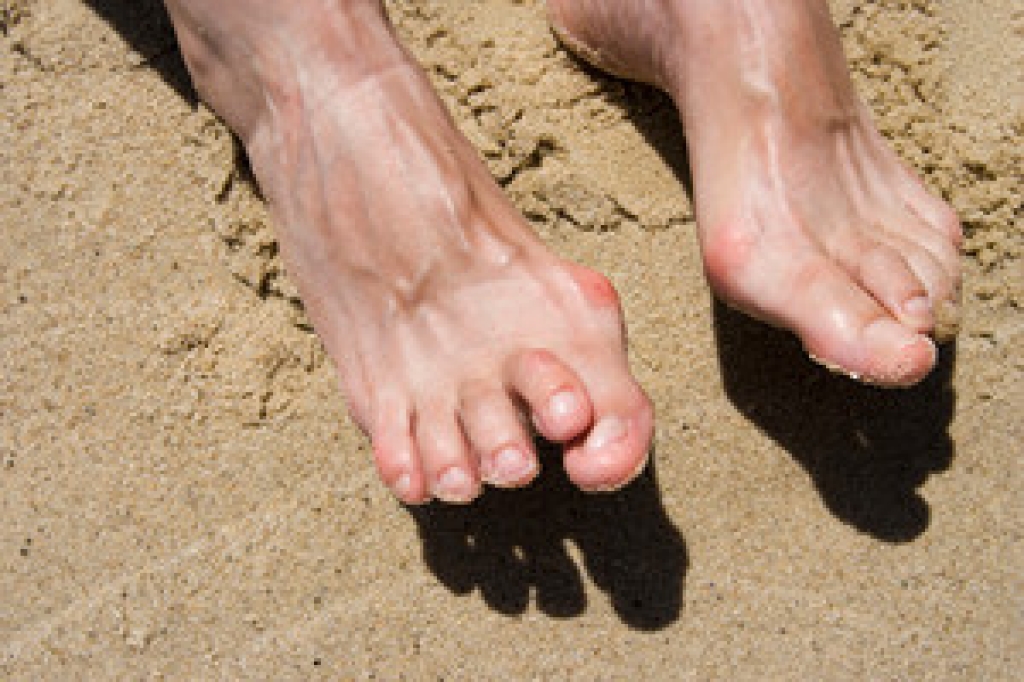
Toe deformities are structural changes that alter the normal position of the toes. Common examples include hammertoe, mallet toe, and claw toe. These conditions often develop as a result of long-term pressure from tight or narrow shoes. Muscle imbalance can also play a role. This occurs when some muscles and tendons become tighter or weaker than others, pulling the toe joints into abnormal positions. Nerve damage may reduce control of toe movement and lead to joint changes. Foot injuries, joint disease, poor circulation, and inherited foot shape can also contribute. Changes in foot mechanics, such as flat feet or bunions, may increase strain on the toes. A podiatrist can examine the foot, evaluate joint movement, and identify the cause. Treatment includes supportive devices, padding, or procedures to improve alignment and reduce discomfort. If you have a toe deformity that is causing discomfort, it is suggested that you make an appointment with a podiatrist.

Toe pain can disrupt your daily activities. If you have any concerns, contact John McGhan, DPM of Gold Canyon Foot & Ankle. Our doctor can provide the care you need to keep you pain-free and on your feet.

What Causes Toe Pain?

Most severe toe pain is caused due to a sports injury, trauma from dropping something heavy on the toe, or bumping into something rigid. Other problems can develop over time for various reasons.

Toe pain can be caused by one or more ailments. The most common include:

  • Trauma
  • Sports injury
  • Wearing shoes that are too tight
  • Arthritis
  • Gout
  • Corns and calluses
  • Hammertoe
  • Bunions
  • Blisters
  • Ingrown toenails
  • Sprains
  • Fractures (broken bones)
  • Dislocations

When to See a Podiatrist

  • Severe pain
  • Persistent pain that lasts more than a week
  • Signs of infection
  • Continued swelling
  • Pain that prevents walking

Diagnosis

In many cases the cause of toe pain is obvious, but in others, a podiatrist may want to use more advanced methods to determine the problem. These can range from simple visual inspections and sensation tests to X-rays and MRI scans. Prior medical history, family medical history, and any recent physical traumatic events will all be taken into consideration for a proper diagnosis.

Treatment

Treatments for toe pain and injuries vary and may include shoe inserts, padding, taping, medicines, injections, and in some cases, surgery. If you believe that you have broken a toe, please see a podiatrist as soon as possible.

If you have any questions please contact our office located in Gold Canyon, AZ . We offer the newest diagnostic and treatment technologies for all your foot and ankle needs.

Read more about Toe Pain

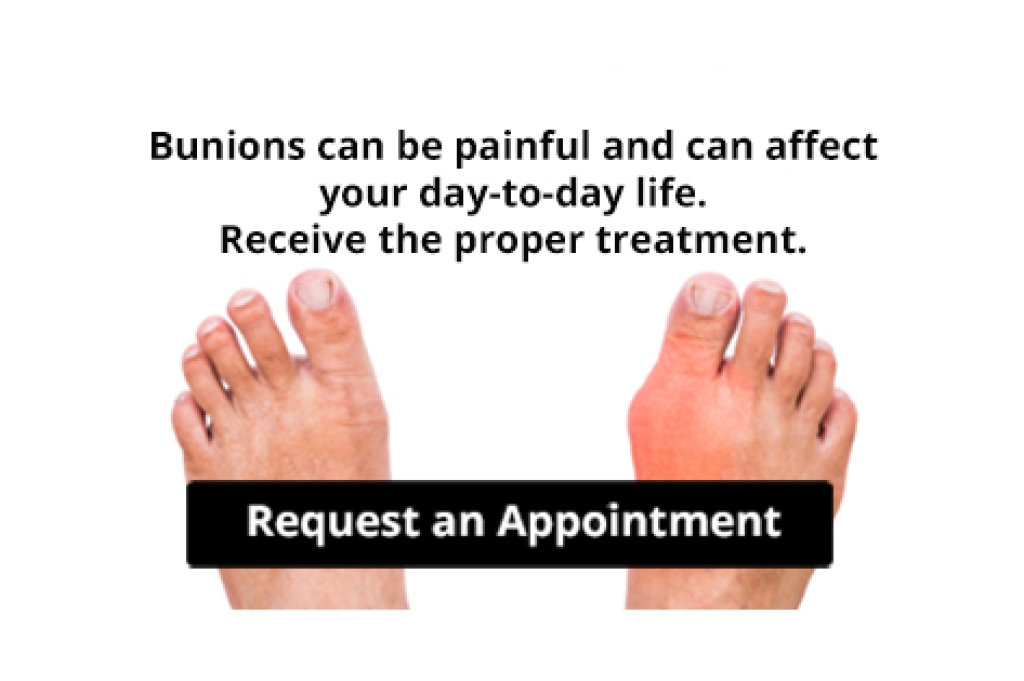
Are Bunions Affecting Your Everyday Life?

Have you noticed a bony protrusion on the side of your big toe? If so, you may have developed the foot condition known as a bunion. Don't let bunions interfere with your daily activities.

Connect With Us